Ethical foundations and daily mindfulness
Dzogchen emphasizes direct recognition of awareness, yet ethical foundations and mindfulness in daily life are indispensable supports that stabilize and protect practice.
- Dzogchen Essentials
- 2 min read
Article 5 of 6 in Preparation and Ground/
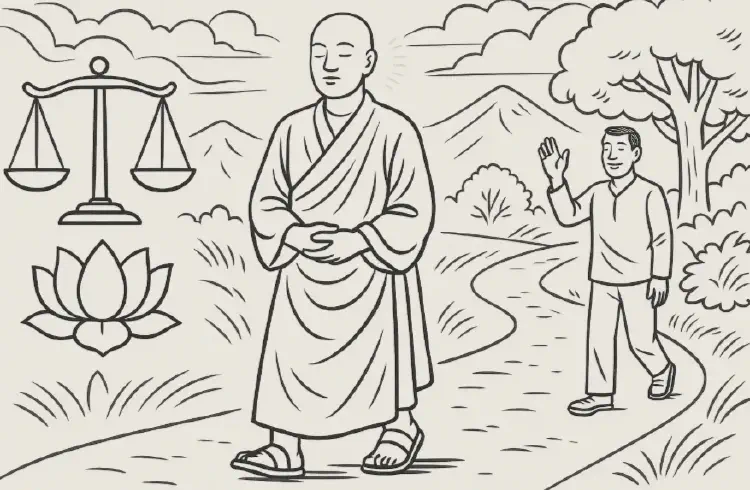
Ethical Foundations in Buddhism:
- Ethical discipline (śīla) provides a stable basis for all higher practices.
- In Tibetan Buddhism, practitioners follow the basic precepts of avoiding harmful actions such as killing, stealing, lying, sexual misconduct, and intoxication.
- For Dzogchen practitioners, ethics are not external rules but natural expressions of awareness—when resting in rigpa, harmful actions do not arise.
Why Ethics are Essential for Dzogchen:
- Ethical conduct reduces karmic obscurations and disturbances, creating clarity of mind.
- Without ethical grounding, glimpses of rigpa may be fleeting or distorted.
- Compassionate conduct naturally aligns with bodhicitta, reinforcing Dzogchen practice.
Daily Mindfulness:
- Mindfulness (dranpa) in everyday life extends practice beyond formal meditation sessions.
- Simple awareness of body, speech, and mind in ordinary activities—walking, eating, working—strengthens stability in rigpa.
- Mindfulness helps recognize emotions and thoughts as they arise, allowing them to self-liberate rather than solidify.
Practical Ways to Apply Daily Mindfulness:
- Begin the day by setting an intention to remain present and aware.
- Use natural pauses—breathing, waiting, walking—as reminders to return to awareness.
- Speak and act with awareness, noticing tone, intention, and impact on others.
- End the day with brief reflection, dedicating merit and noting moments of awareness.
Integration with Dzogchen:
- Ethics provide the ground of stability.
- Mindfulness ensures continuity of awareness in daily life.
- Together, they form the bridge between glimpses of rigpa and full integration.
In summary, ethical foundations and daily mindfulness safeguard Dzogchen practice. They help transform every moment of life into an opportunity to rest in awareness and embody compassion.
You might also like:
- Tags:
- Dzogchen Practice
- Daily Life
- Body Speech
- Self Liberate
- Tibetan Buddhism
- Dzogchen Practitioners
- Ethical Conduct
- Practical Ways
- Ordinary Activities
- Natural Pauses
- Use Natural
- Meditation Sessions
- Ethical Grounding
- Ethical Discipline
- Ensures Continuity
- Everyday Life
- Strengthens Stability
- Use Natural Pauses