
Establishing motivation and bodhicitta
Before engaging in Dzogchen or any higher Buddhist practice, practitioners cultivate motivation and bodhicitta—the altruistic intention to attain enlightenment for the benefit of all beings.
Before engaging in Dzogchen or any higher Buddhist practice, practitioners cultivate motivation and bodhicitta—the altruistic intention to attain enlightenment for the benefit of all beings.
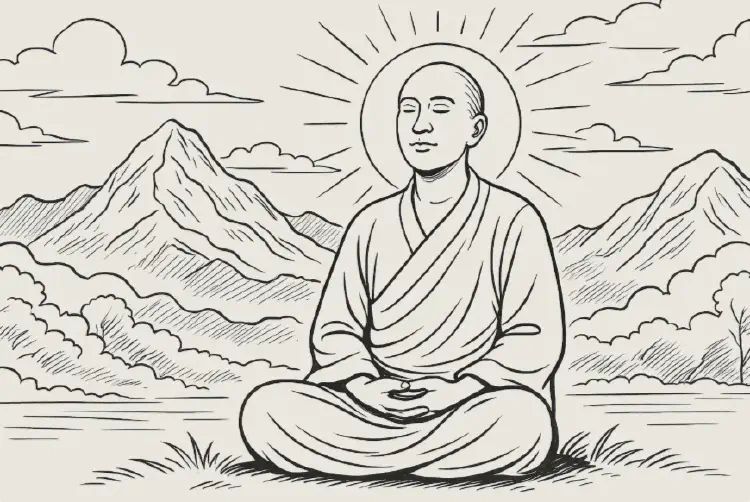
Rigpa is the central term in Dzogchen, pointing to the innate awareness that is beyond concepts, unconditioned, and ever-present. Understanding it is essential before engaging deeply in Dzogchen practice.

Dzogchen emphasizes direct recognition of awareness, yet ethical foundations and mindfulness in daily life are indispensable supports that stabilize and protect practice.

Direct introduction is the heart of Dzogchen. It is the moment when a teacher reveals the student’s own true nature of mind, beyond concepts or gradual stages.
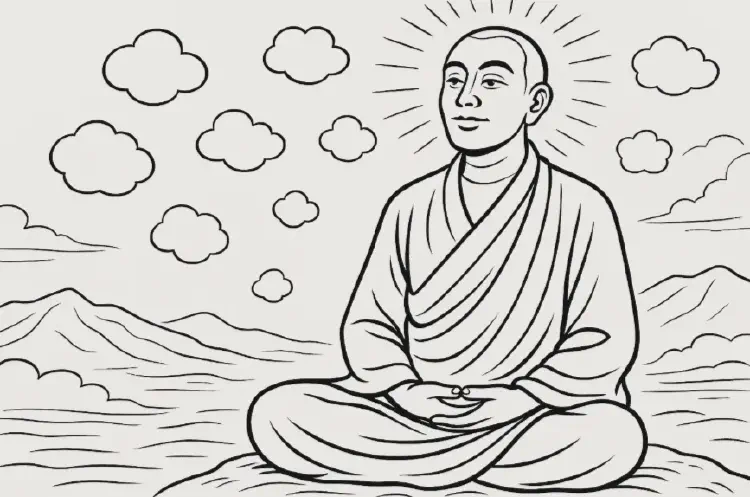
Recognizing rigpa—the pristine awareness at the heart of Dzogchen—is the pivotal moment in practice. It marks the difference between intellectual understanding and direct realization.
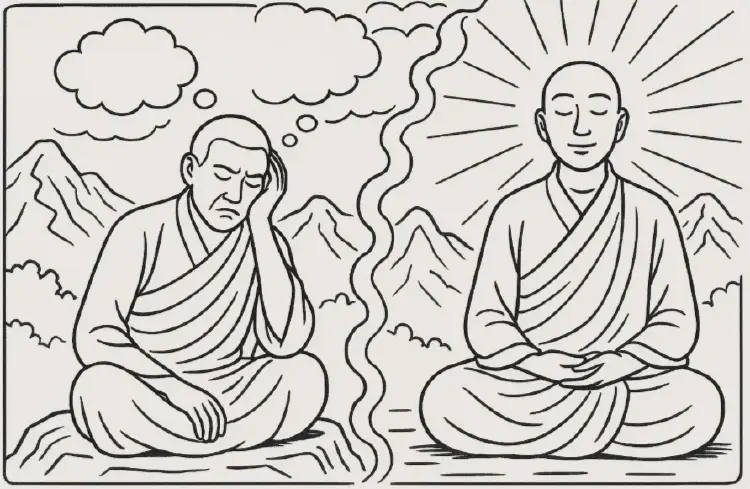
One of the most important insights in Dzogchen is learning to tell the difference between ordinary mind (*sem*) and pure awareness (*rigpa*). Without this clarity, practice can easily fall into confusion.