
Establishing motivation and bodhicitta
Before engaging in Dzogchen or any higher Buddhist practice, practitioners cultivate motivation and bodhicitta—the altruistic intention to attain enlightenment for the benefit of all beings.
Before engaging in Dzogchen or any higher Buddhist practice, practitioners cultivate motivation and bodhicitta—the altruistic intention to attain enlightenment for the benefit of all beings.
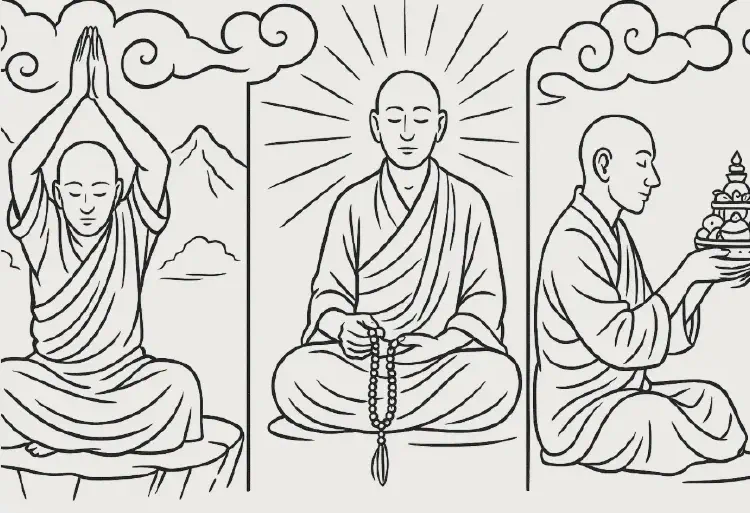
Ngöndro, or preliminary practices, are considered essential in Tibetan Buddhism. They prepare the body, speech, and mind for the subtler recognitions of Dzogchen.
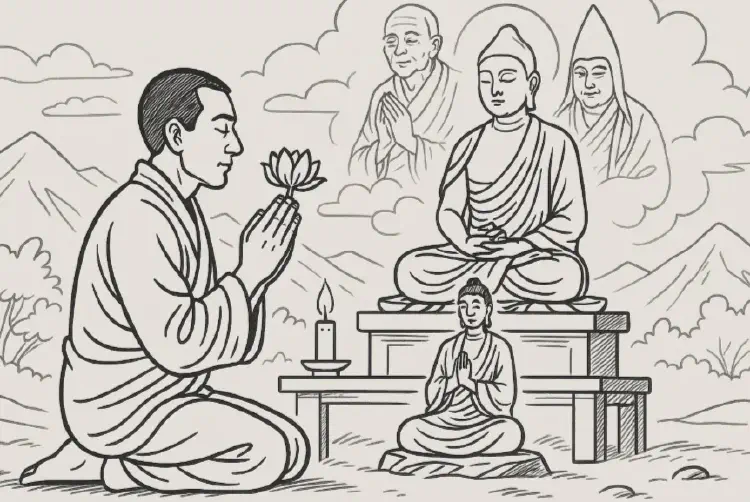
In Dzogchen and Tibetan Buddhism as a whole, refuge and devotion form the foundation of the practitioner’s relationship with the teachings, the teacher, and the path itself.
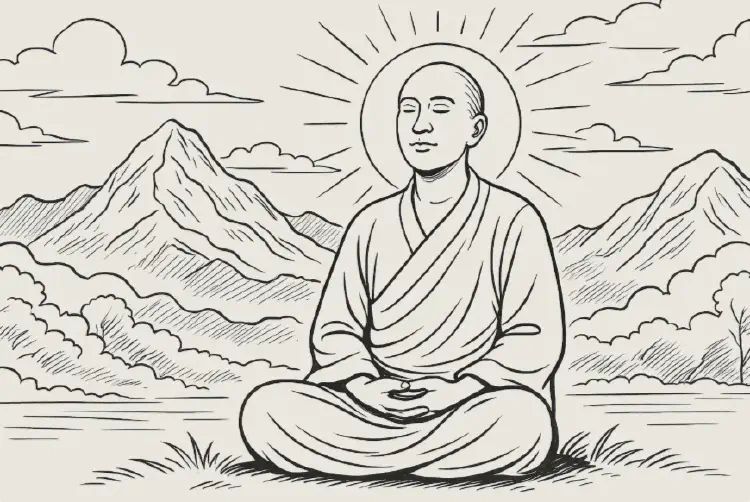
Rigpa is the central term in Dzogchen, pointing to the innate awareness that is beyond concepts, unconditioned, and ever-present. Understanding it is essential before engaging deeply in Dzogchen practice.
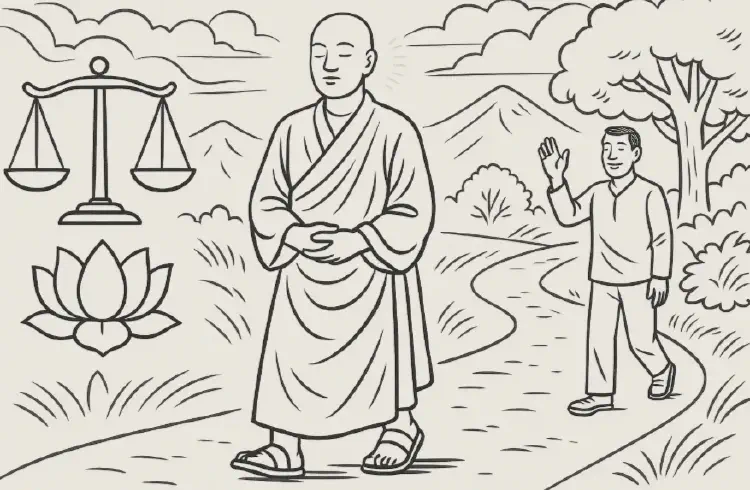
Dzogchen emphasizes direct recognition of awareness, yet ethical foundations and mindfulness in daily life are indispensable supports that stabilize and protect practice.
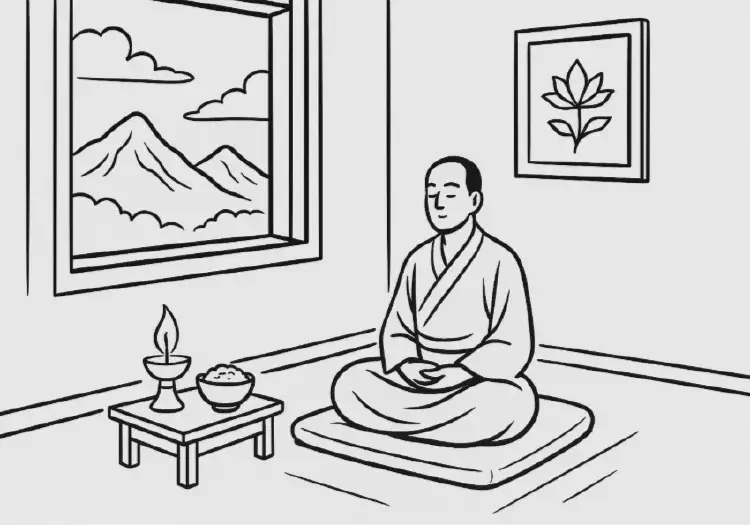
While Dzogchen emphasizes that awareness is present everywhere, creating a supportive environment helps practitioners cultivate stability, inspiration, and continuity in their practice.