
The three series: Semde, Longde, Menngagde
Dzogchen teachings are traditionally organized into three main series, each highlighting a distinct method of introducing and stabilizing recognition of awareness.
Dzogchen teachings are traditionally organized into three main series, each highlighting a distinct method of introducing and stabilizing recognition of awareness.

Dzogchen emphasizes direct recognition of awareness, yet ethical foundations and mindfulness in daily life are indispensable supports that stabilize and protect practice.

Dzogchen emphasizes direct recognition of awareness, which lies beyond conceptual thinking. Over-reliance on intellectual analysis can obscure this recognition and turn practice into philosophy rather than realization.
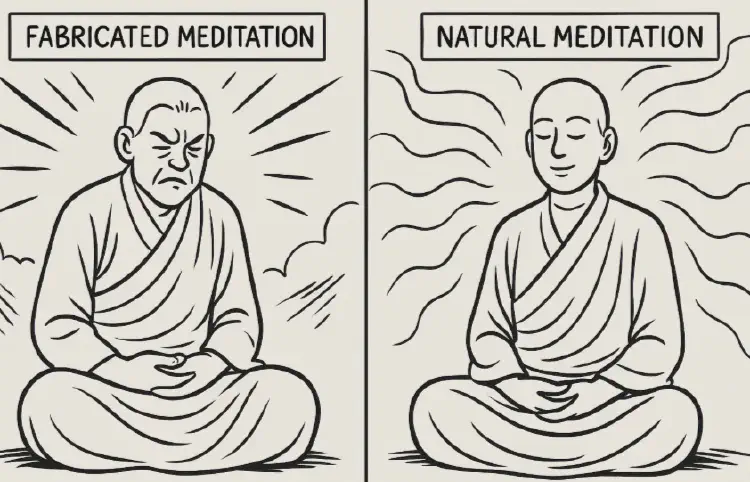
Dzogchen emphasizes *natural presence*—resting in awareness without effort or construction. This is contrasted with *fabricated meditation*, which depends on deliberate techniques or manipulation of the mind.

Longde practices teach that awareness is not limited to the body or the senses. By releasing fixation, practitioners recognize that awareness pervades all experiences without being bound by them.
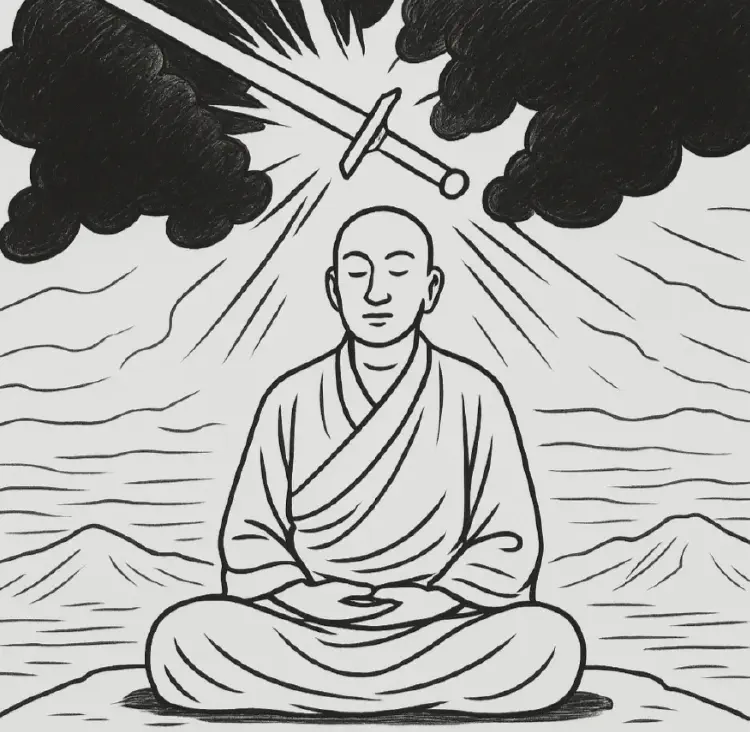
Trekchö, often translated as 'cutting through,' is one of the two central practices of Menngagde. It directly reveals the primordial purity of awareness by cutting through the rigidity of grasping and conceptual elaboration.