Short sessions of natural awareness
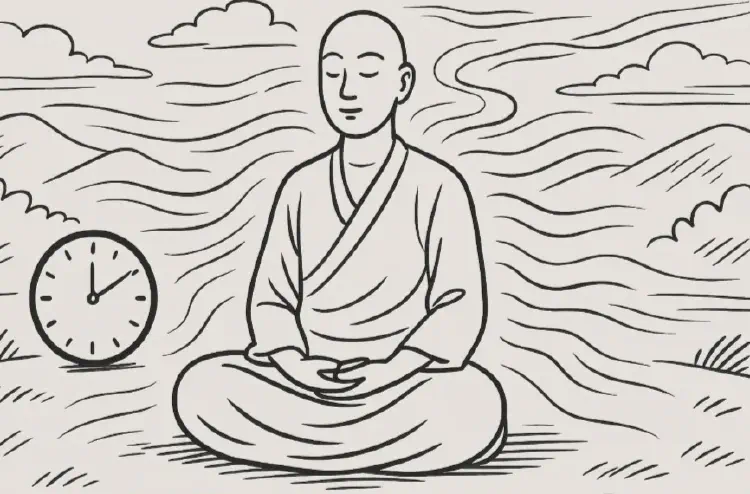
Dzogchen practice is often described as 'short sessions, many times.' Rather than striving for long meditation periods, the emphasis is on frequent glimpses of natural awareness throughout the day.
- Dzogchen Essentials
- 1 min read
Article 2 of 6 in Daily Practice Routines/
Why Short Sessions?
- Awareness is natural and effortless, but beginners often lose it quickly due to habits of distraction.
- Short sessions prevent dullness, strain, or forced concentration.
- Frequent glimpses build familiarity, gradually stabilizing recognition of rigpa.
How to Practice Short Sessions:
- Pause briefly during the day—whether sitting, standing, or moving.
- Relax body, speech, and mind without effort.
- Recognize the open, clear awareness that is already present.
- Rest for a few moments, then continue activity naturally.
Practical Reminders:
- Use natural breaks—waiting at a light, sipping tea, walking—to return to awareness.
- A simple in-breath and out-breath can be enough to reconnect.
- Visual cues, such as the sky or open space, can serve as reminders.
Benefits of Short Sessions:
- Gradually strengthens confidence in recognition of rigpa.
- Prevents practice from being compartmentalized as only ‘formal meditation.’
- Allows integration of awareness into daily life, making it seamless.
Analogy from Dzogchen Masters:
- Like drops of water filling a jar—each short session may seem small, but together they accumulate into unshakable realization.
Summary: Short sessions of natural awareness are the essence of daily Dzogchen practice. By returning again and again to rigpa, even for a few seconds, awareness becomes familiar, stable, and continuous across all activities.