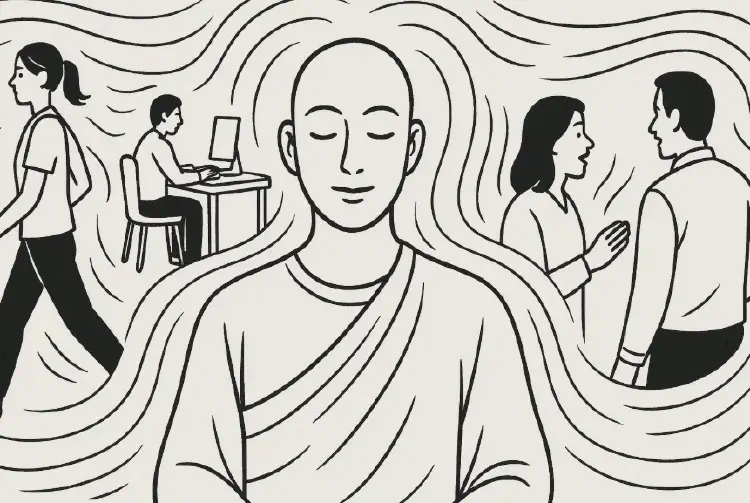
Sustaining rigpa throughout the day
The essence of advanced Dzogchen practice is sustaining continuous recognition of rigpa, not only in meditation sessions but throughout all activities of daily life.
The essence of advanced Dzogchen practice is sustaining continuous recognition of rigpa, not only in meditation sessions but throughout all activities of daily life.
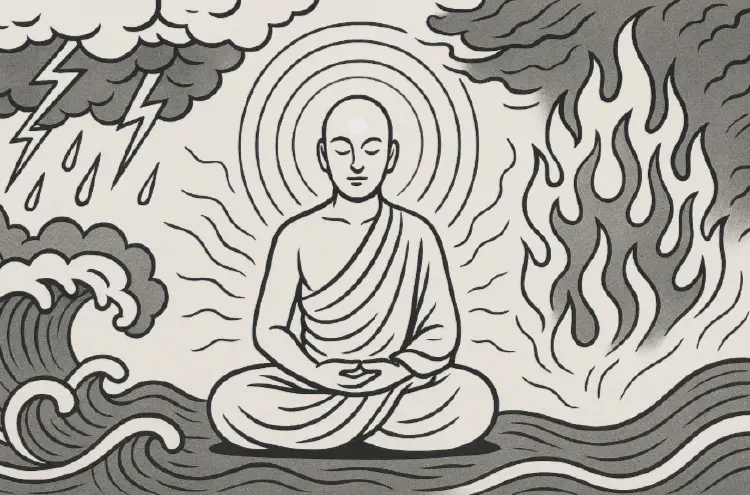
Difficult circumstances—illness, loss, conflict, or fear—are unavoidable in life. In Dzogchen, these are not seen as obstacles but as opportunities to deepen recognition of awareness.
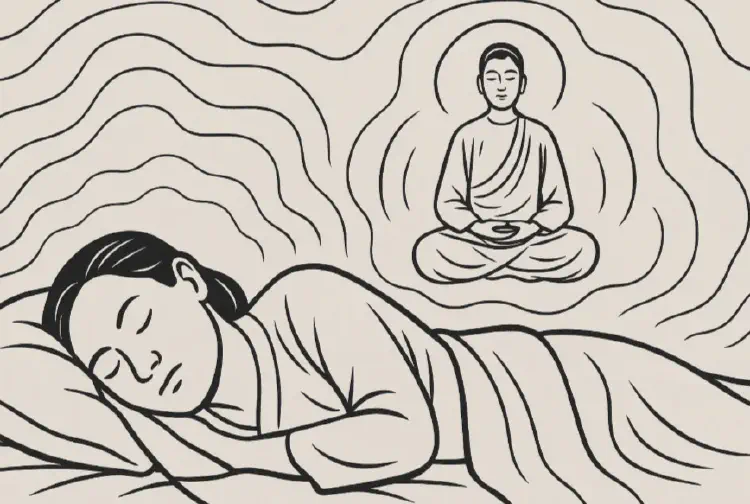
For advanced Dzogchen practitioners, awareness is not limited to waking life. Sleep and dreaming become opportunities for continuous recognition of rigpa, extending practice across all states of being.
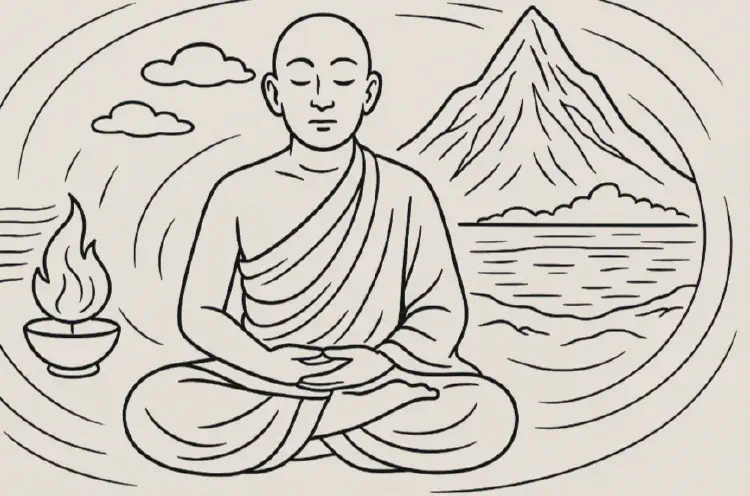
In Dzogchen, early glimpses of rigpa are fragile and easily lost. Stabilization means that recognition of awareness becomes continuous, effortless, and integrated into all states of being.
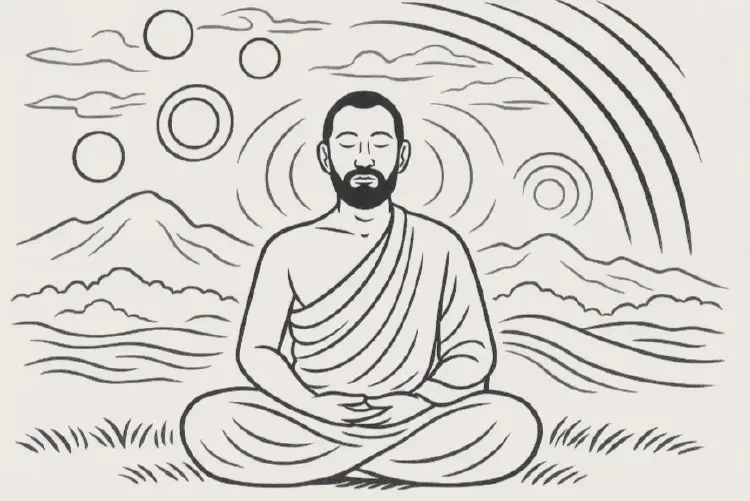
Tögal practices reveal luminous visionary experiences, but they must be approached from a foundation of stability in Trekchö and recognition of rigpa. Without stability, visions can confuse rather than liberate.
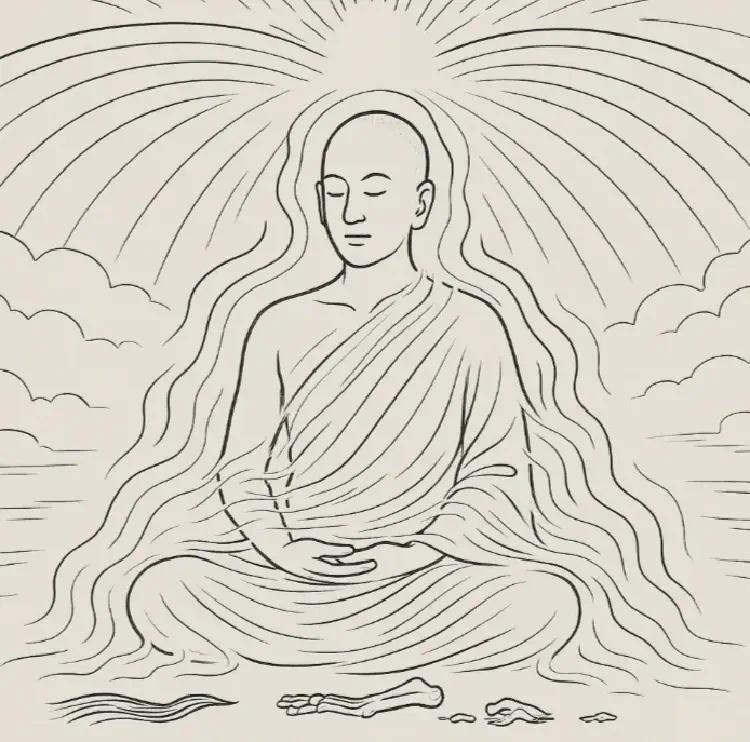
The rainbow body is regarded in Dzogchen as the supreme sign of complete realization. It represents the full integration of Trekchö and Tögal, where the practitioner’s body dissolves into light at death.