Signs of stabilization in practice
In Dzogchen, early glimpses of rigpa are fragile and easily lost. Stabilization means that recognition of awareness becomes continuous, effortless, and integrated into all states of being.
- Dzogchen Essentials
- 2 min read
Article 4 of 6 in Advanced Integration and Realization/
Early Stages vs. Stabilization:
- Early recognition: Rigpa is glimpsed briefly, often lost in distraction.
- Stabilization: Awareness remains unbroken, regardless of circumstances.
Signs of Stabilization in Practice:
- Continuity: Rigpa is sustained not only in meditation but during ordinary activities, emotions, and thoughts.
- Effortlessness: Recognition is natural and spontaneous, without forcing or striving.
- Emotional Transformation: Strong emotions self-liberate quickly, without pulling the practitioner into reactive patterns.
- Dream and Sleep Awareness: Awareness continues into dreams and deep sleep.
- Compassion and Bodhicitta: Spontaneous compassion arises naturally, without contrivance.
- Equanimity: Challenges and obstacles no longer disturb the underlying presence of awareness.
Teacher’s Guidance:
- Stabilization should be confirmed by a qualified teacher to ensure the practitioner is not mistaking calm states or blankness for rigpa.
- Teachers emphasize integration, preventing clinging to meditation experiences as special.
Benefits of Stabilization:
- Freedom from fear and grasping.
- Natural joy and clarity pervade daily life.
- Provides the foundation for advanced Tögal practices and the possibility of rainbow body.
Dzogchen Insight:
- Stabilization is not about gaining something new but about no longer losing recognition of what has always been present.
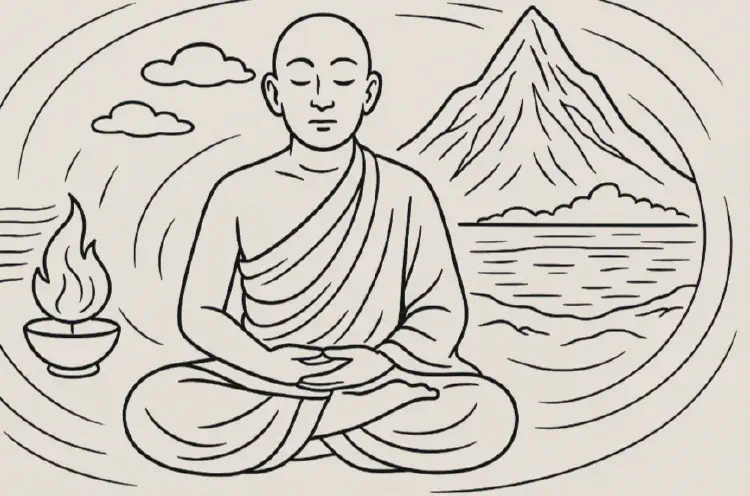
- Like a flame sheltered from the wind, awareness burns steadily without flickering.
Summary: Signs of stabilization in Dzogchen practice include unbroken continuity of rigpa, effortless recognition, emotional self-liberation, and spontaneous compassion. Stabilization marks the maturity of practice, where awareness remains steady across all states of life.
You might also like:
- Tags:
- Recognition Rigpa
- Dzogchen Practice
- Rainbow Body
- Dzogchen Insight
- Daily Life
- Self Liberation
- Self Liberate
- Qualified Teacher
- Awareness Remains
- Teachers Emphasize
- Deep Sleep
- Advanced Practices
- Teacher Guidance
- Calm States
- Strong Emotions
- Ordinary Activities
- Awareness Teacher
- Awareness Awareness
- Arises Naturally
- Sleep Awareness