Spontaneous presence in ordinary life
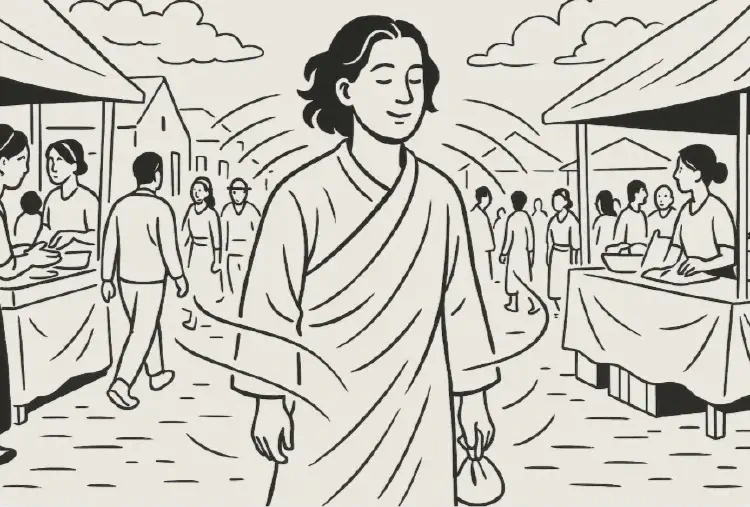
Dzogchen emphasizes that realization is not confined to meditation sessions or retreats. The essence of practice is recognizing spontaneous presence in the midst of daily, ordinary life.
- Dzogchen Essentials
- 2 min read
Article 6 of 6 in Integration into Life/
What is Spontaneous Presence?
- Lhündrup (spontaneous presence) refers to the natural expression of rigpa.
- Awareness does not need to be manufactured—it is already present in every moment.
- Thoughts, emotions, and activities arise spontaneously within awareness and self-liberate when recognized.
Spontaneous Presence in Daily Activities:
- Cooking, walking, working, or speaking all unfold in awareness.
- There is no need to separate practice from life—ordinary tasks become expressions of realization.
- Even challenges and distractions are not rejected but recognized as displays of awareness.
Practical Instructions:
- Begin the day with recognition of awareness.
- In ordinary activities, pause briefly and recognize that awareness is present without effort.
- Allow all actions—eating, listening, speaking—to flow naturally within rigpa.
- At night, rest in awareness as sleep arises, continuing the stream of presence.
Key Qualities of Spontaneous Presence:
- Effortless and natural, beyond striving.
- Inclusive—nothing is outside awareness.
- Compassionate—activities spontaneously benefit others when rooted in bodhicitta.
Benefits:
- Removes separation between spiritual practice and daily life.
- Ensures continuity of awareness across all states—waking, dreaming, sleeping.
- Cultivates freedom, joy, and clarity in ordinary circumstances.
Analogy:
- Like the sun effortlessly radiating light, awareness naturally illuminates all experiences without effort.
Summary: Spontaneous presence in ordinary life is the hallmark of Dzogchen integration. By recognizing awareness in every moment, daily activities become expressions of rigpa, where nothing is outside the path of realization.
You might also like:
- Tags:
- Thoughts Emotions
- Daily Life
- Spontaneous Presence
- Recognizing Awareness
- Practical Instructions
- Self Liberate
- Analogy Like
- Daily Activities
- Ordinary Life
- Ordinary Activities
- Walking Working
- Awareness Does
- Separate Practice
- Pause Briefly
- Awareness Practical
- Ensures Continuity
- Natural Expression
- Dreaming Sleeping
- Waking Dreaming
- Waking Dreaming Sleeping