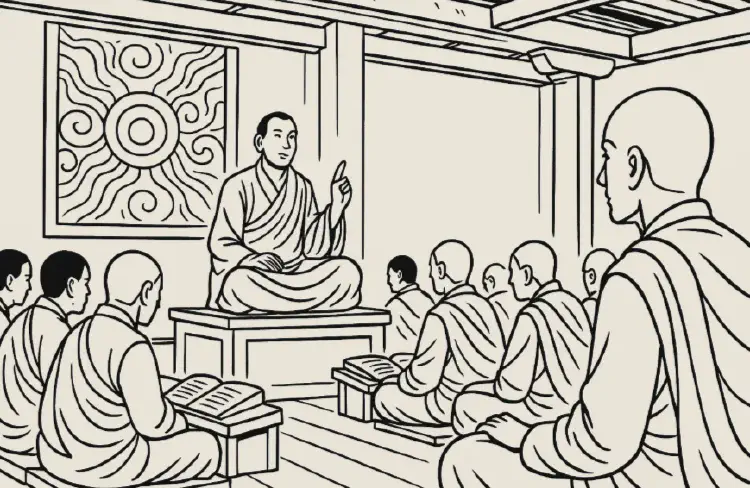
Dzogchen within Tibetan Buddhism
To understand Dzogchen’s place in Tibetan Buddhism, it’s important to see how it relates to the broader framework of Buddhist teachings and why it is often described as the pinnacle of the path.
To understand Dzogchen’s place in Tibetan Buddhism, it’s important to see how it relates to the broader framework of Buddhist teachings and why it is often described as the pinnacle of the path.
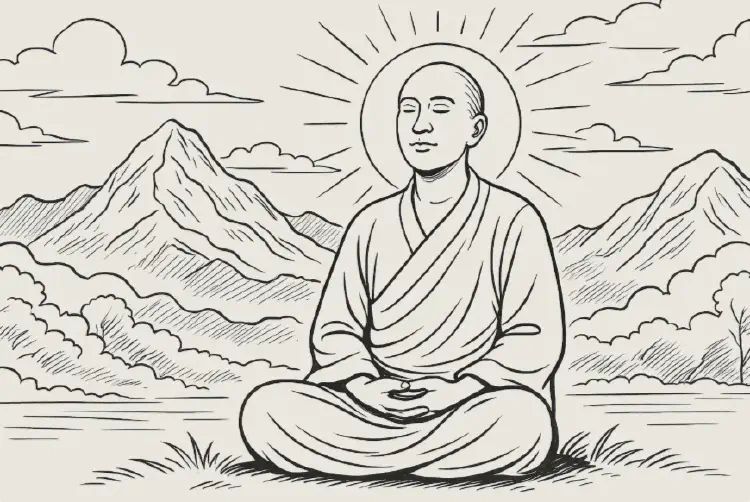
Rigpa is the central term in Dzogchen, pointing to the innate awareness that is beyond concepts, unconditioned, and ever-present. Understanding it is essential before engaging deeply in Dzogchen practice.
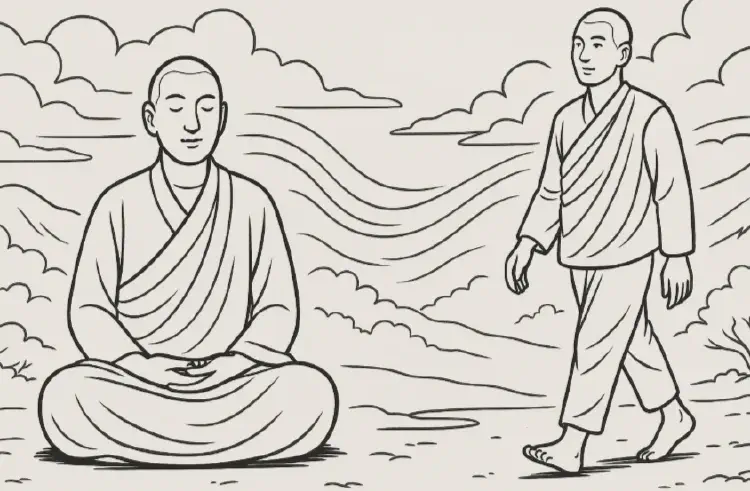
Longde teachings emphasize that awareness is not confined to meditation stillness. True stability comes when recognition of rigpa continues seamlessly through both stillness and movement.
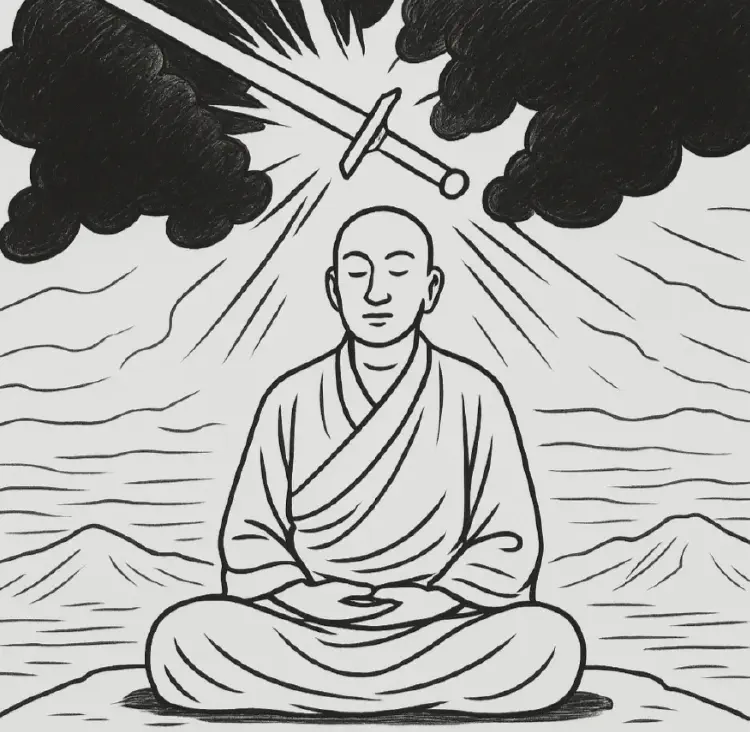
Trekchö, often translated as 'cutting through,' is one of the two central practices of Menngagde. It directly reveals the primordial purity of awareness by cutting through the rigidity of grasping and conceptual elaboration.
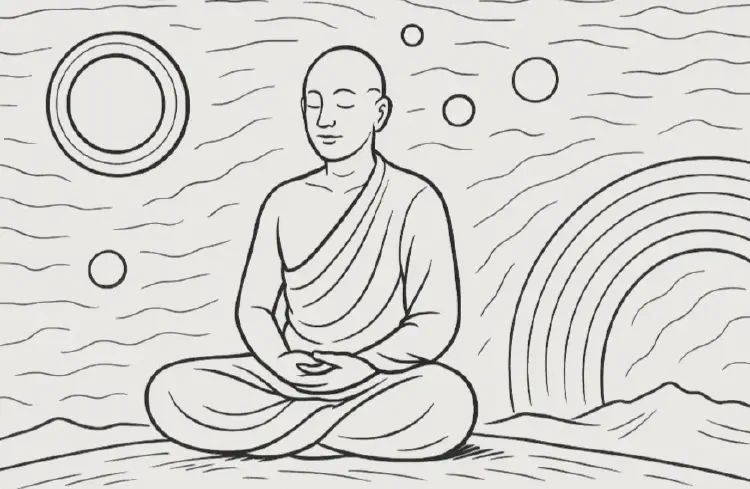
Tögal, or 'leap-over,' is one of the two central practices of the Menngagde series. While Trekchö emphasizes primordial purity, Tögal reveals spontaneous presence through visionary experiences.

In Tögal and other Menngagde practices, practitioners may encounter extraordinary experiences of light, colors, and visionary appearances. These are understood as natural displays of awareness, not external phenomena.