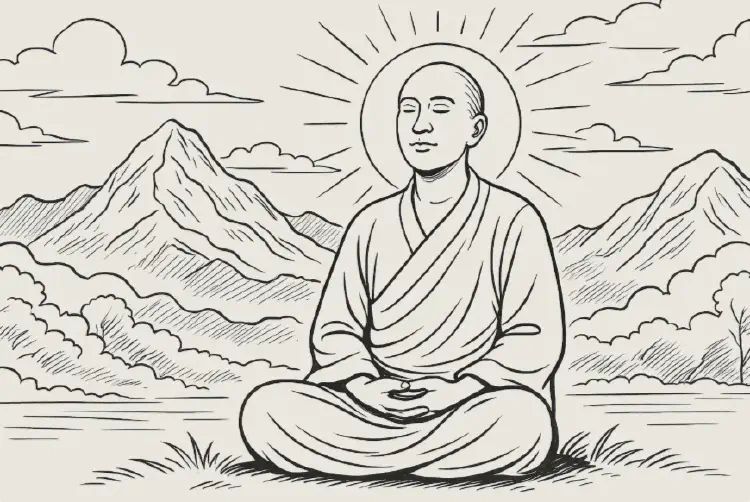
Understanding the nature of mind (rigpa)
Rigpa is the central term in Dzogchen, pointing to the innate awareness that is beyond concepts, unconditioned, and ever-present. Understanding it is essential before engaging deeply in Dzogchen practice.
Rigpa is the central term in Dzogchen, pointing to the innate awareness that is beyond concepts, unconditioned, and ever-present. Understanding it is essential before engaging deeply in Dzogchen practice.
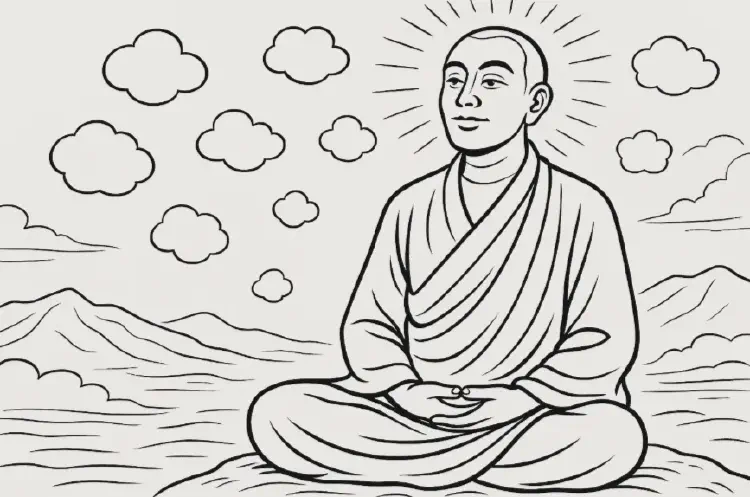
Recognizing rigpa—the pristine awareness at the heart of Dzogchen—is the pivotal moment in practice. It marks the difference between intellectual understanding and direct realization.
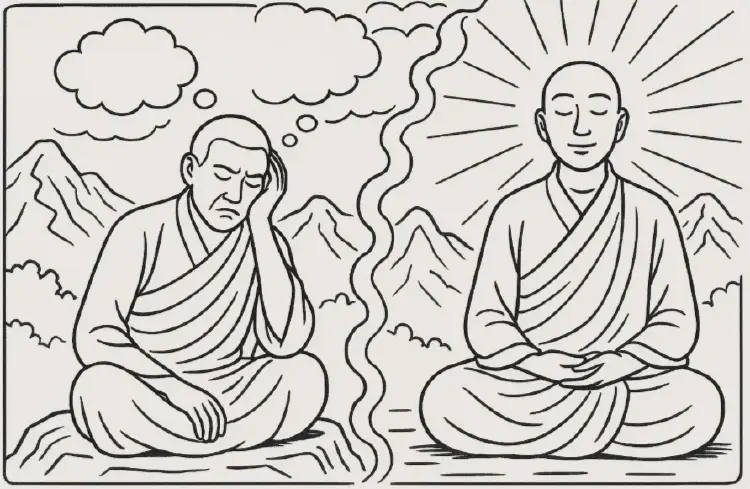
One of the most important insights in Dzogchen is learning to tell the difference between ordinary mind (*sem*) and pure awareness (*rigpa*). Without this clarity, practice can easily fall into confusion.
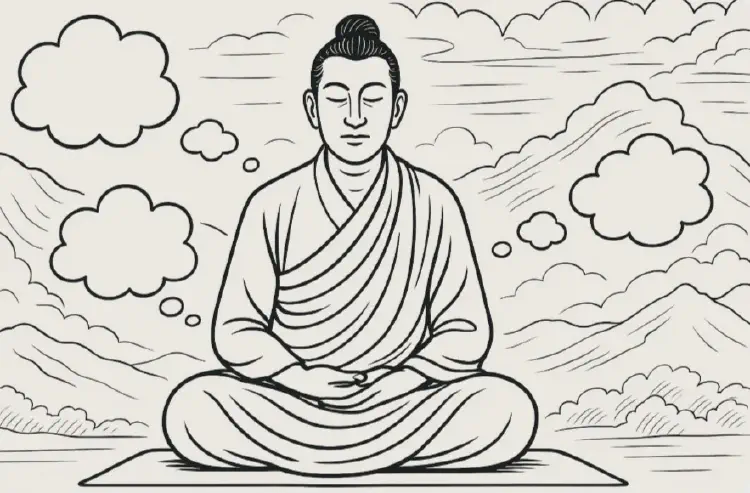
In Dzogchen, thoughts are not enemies to be suppressed, nor distractions to be eliminated. Instead, they are seen as natural expressions of awareness that can liberate themselves the moment they arise.
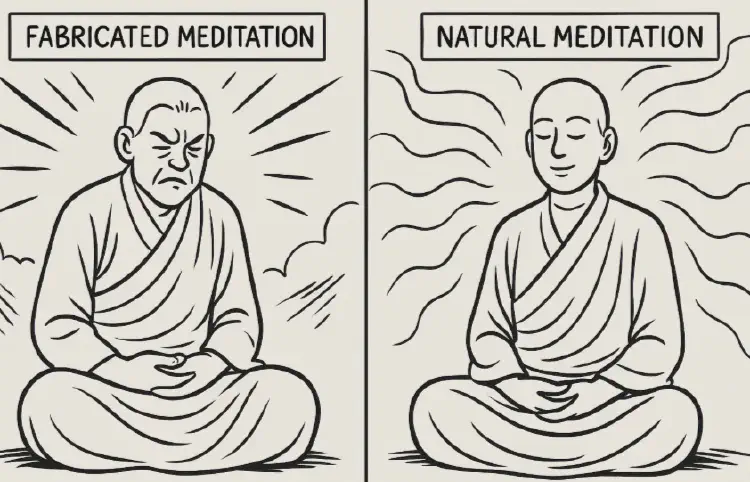
Dzogchen emphasizes *natural presence*—resting in awareness without effort or construction. This is contrasted with *fabricated meditation*, which depends on deliberate techniques or manipulation of the mind.
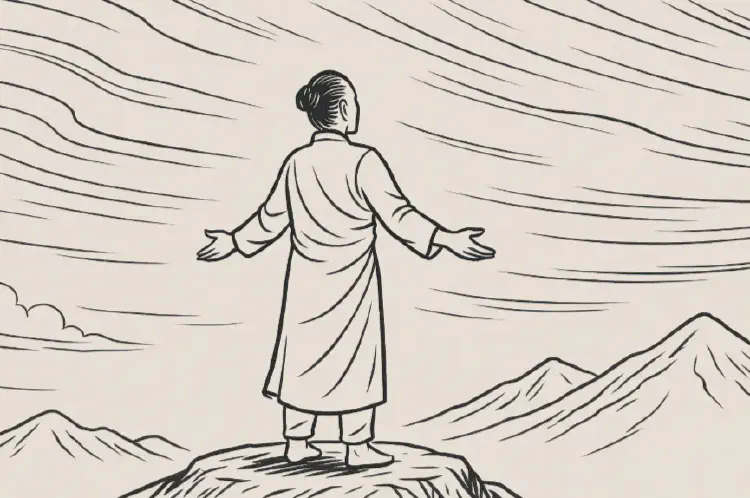
Longde practices emphasize spaciousness, pointing to the boundless quality of awareness. Practicing vast openness means dissolving limitations and resting in the infinite expanse of rigpa.