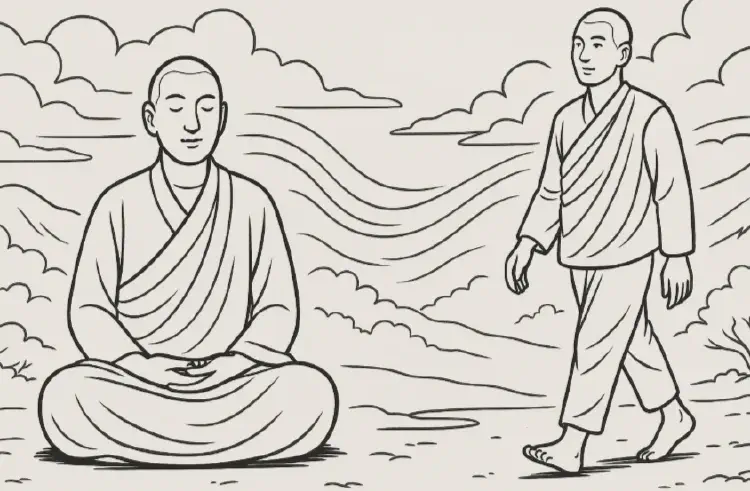
Integrating stillness and movement
Longde teachings emphasize that awareness is not confined to meditation stillness. True stability comes when recognition of rigpa continues seamlessly through both stillness and movement.
Longde teachings emphasize that awareness is not confined to meditation stillness. True stability comes when recognition of rigpa continues seamlessly through both stillness and movement.
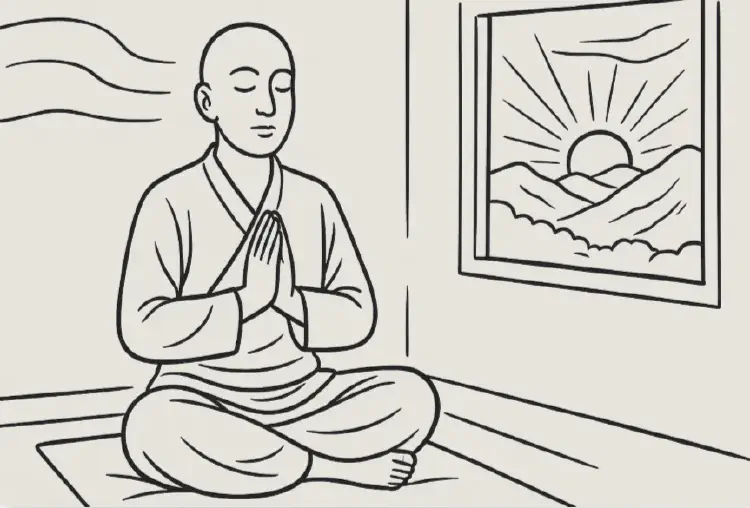
How one begins the day strongly influences awareness throughout the day. In Dzogchen, the morning routine centers on awakening mindfully and setting an intention rooted in awareness and compassion.
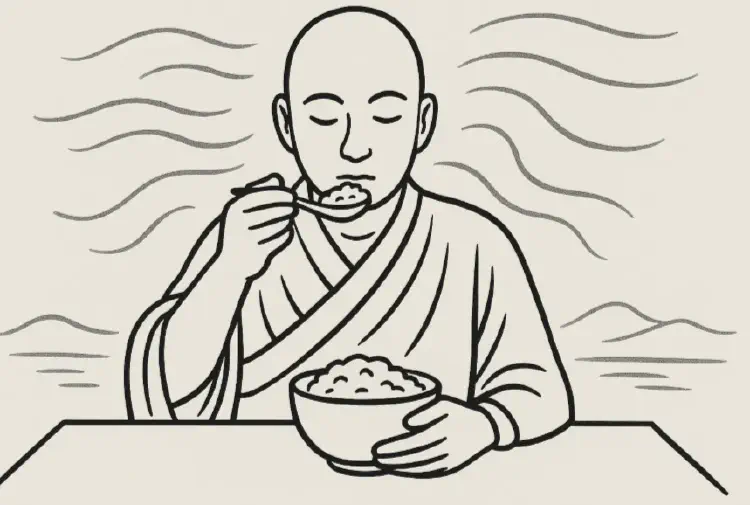
Dzogchen emphasizes that awareness is not confined to formal meditation but extends into every action. Eating and ordinary activities become opportunities for recognizing and sustaining rigpa.

Dzogchen practice does not require withdrawing from daily life. Micro-practices—short, simple recognitions of awareness—can be woven into ordinary activities, especially during work or movement.
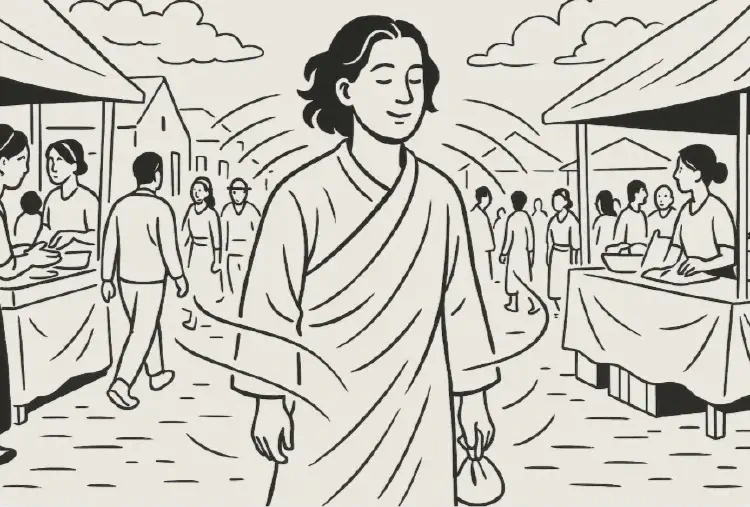
Dzogchen emphasizes that realization is not confined to meditation sessions or retreats. The essence of practice is recognizing spontaneous presence in the midst of daily, ordinary life.

Dzogchen practice arose in ancient Tibet, yet its essence is timeless and universal. In the modern world, practitioners adapt methods without losing the heart of recognizing rigpa.