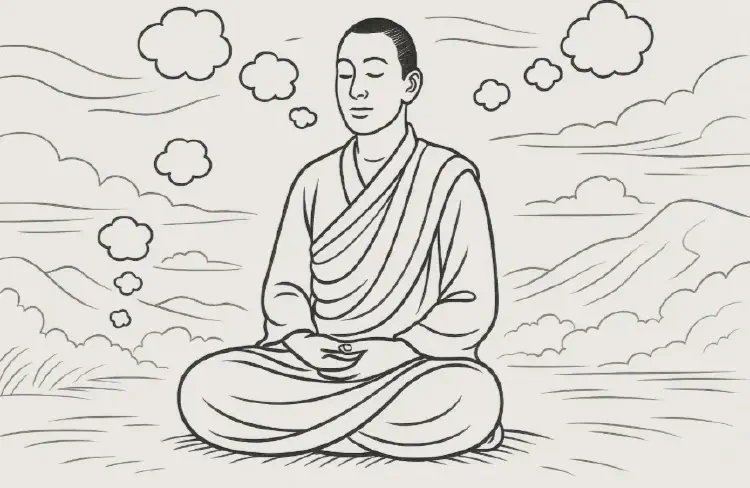
Allowing thoughts to arise and dissolve
In Dzogchen, thoughts are not seen as obstacles but as natural expressions of awareness. The key is to let them arise and dissolve without interference, revealing their self-liberated nature.
In Dzogchen, thoughts are not seen as obstacles but as natural expressions of awareness. The key is to let them arise and dissolve without interference, revealing their self-liberated nature.
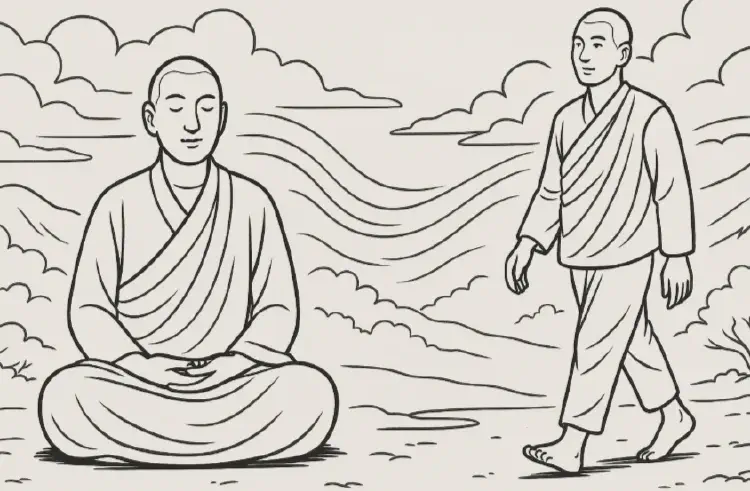
Longde teachings emphasize that awareness is not confined to meditation stillness. True stability comes when recognition of rigpa continues seamlessly through both stillness and movement.
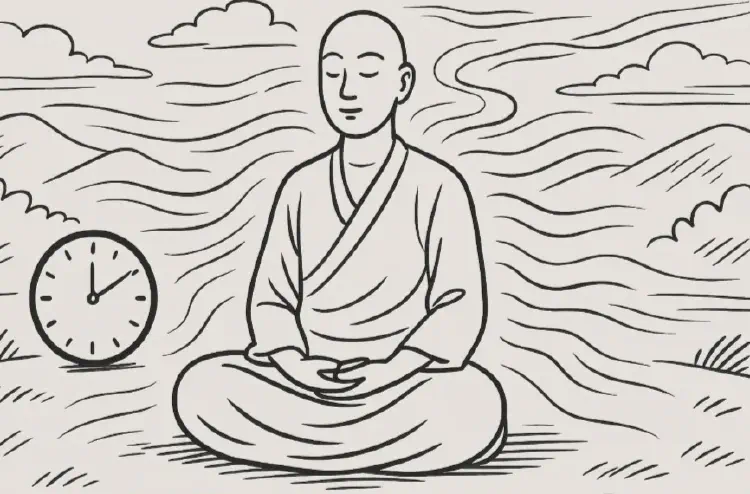
Dzogchen practice is often described as 'short sessions, many times.' Rather than striving for long meditation periods, the emphasis is on frequent glimpses of natural awareness throughout the day.

Dzogchen practice does not require withdrawing from daily life. Micro-practices—short, simple recognitions of awareness—can be woven into ordinary activities, especially during work or movement.
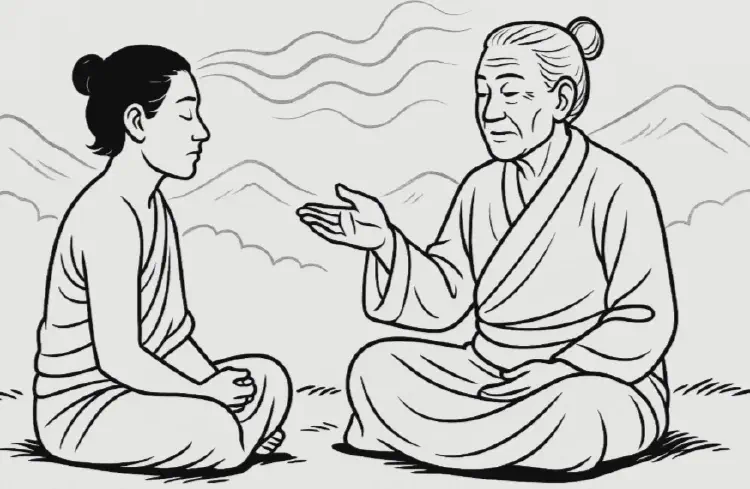
In Dzogchen, teachers play an indispensable role. Ongoing guidance ensures correct recognition of rigpa and helps practitioners avoid subtle pitfalls on the path.