Simple yogic movements for energy flow
In Dzogchen, supportive yogic movements help harmonize body and energy, removing obstacles that obscure awareness. These practices, often drawn from Tibetan yogas such as trülkhor, complement meditation by balancing subtle energies.
- Dzogchen Essentials
- 2 min read
Article 3 of 6 in Supportive Practices/
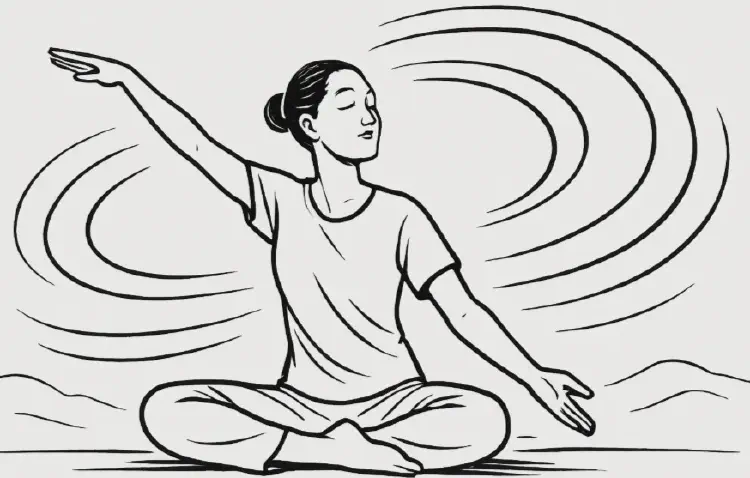
Purpose of Yogic Movements:
- Physical tension and stagnant energy can obscure clarity of mind.
- Gentle movements open channels (tsa) and regulate winds (lung), supporting stability in rigpa.
- They prepare the practitioner for sitting practice and Tögal by creating energetic balance.
Examples of Simple Movements:
- Twisting and Stretching: Opens central and side channels, releasing blockages.
- Breath-Synchronized Movements: Coordinating inhalation/exhalation with movement harmonizes energy.
- Sky-Reaching Postures: Expands the chest and lungs, increasing vitality and spaciousness.
- Circular Arm and Body Movements: Encourage flow and reduce rigidity in subtle channels.
How They Support Dzogchen Practice:
- Remove dullness and agitation caused by energy imbalance.
- Allow body, speech (breath), and mind to settle naturally.
- Serve as reminders that awareness is embodied, not separate from physical experience.
Key Principles:
- Movements are simple, gentle, and mindful—not athletic performance.
- Awareness is maintained throughout—rigpa recognizes the movement itself.
- Practice is brief and supportive, not a substitute for meditation.
Benefits:
- Increases vitality and relaxation.
- Clears obstacles to resting in natural awareness.
- Integrates body and energy with the open nature of mind.
Analogy:
- Just as tuning a musical instrument ensures harmonious sound, yogic movements tune the body-energy system so awareness resonates more clearly.
Summary: Simple yogic movements for energy flow prepare body and subtle channels for Dzogchen practice. By harmonizing energy and dissolving blockages, they create favorable conditions for recognizing and stabilizing rigpa.