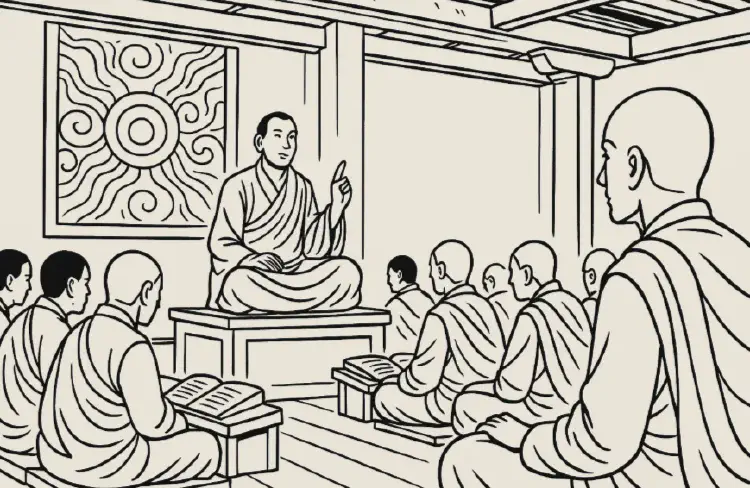
Dzogchen within Tibetan Buddhism
To understand Dzogchen’s place in Tibetan Buddhism, it’s important to see how it relates to the broader framework of Buddhist teachings and why it is often described as the pinnacle of the path.
To understand Dzogchen’s place in Tibetan Buddhism, it’s important to see how it relates to the broader framework of Buddhist teachings and why it is often described as the pinnacle of the path.
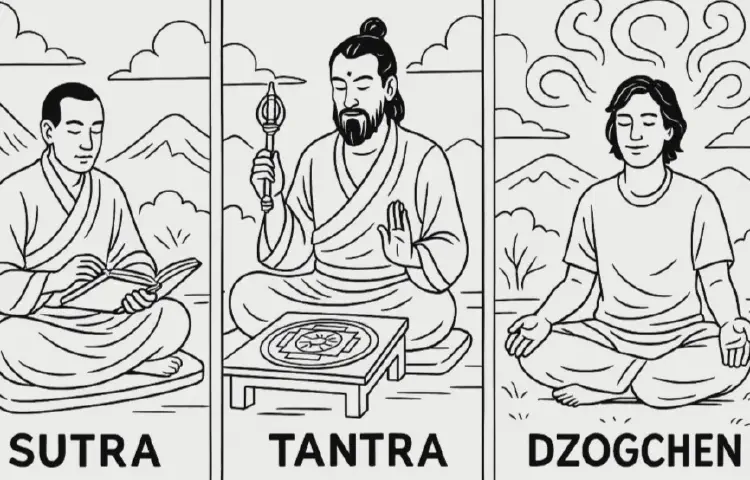
Tibetan Buddhism encompasses multiple vehicles of practice. Sutra, Tantra, and Dzogchen each offer distinct approaches, yet they ultimately aim toward the same realization of enlightenment.
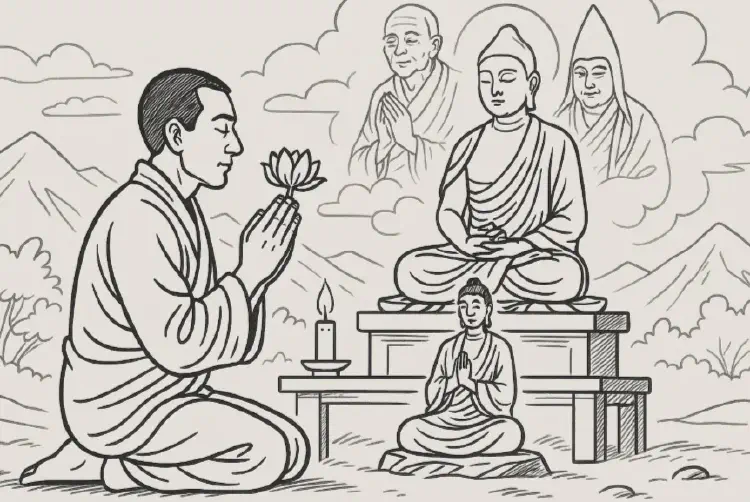
In Dzogchen and Tibetan Buddhism as a whole, refuge and devotion form the foundation of the practitioner’s relationship with the teachings, the teacher, and the path itself.
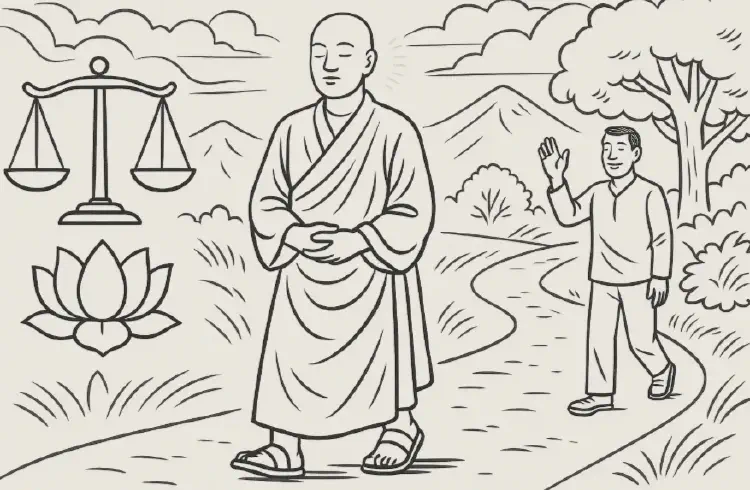
Dzogchen emphasizes direct recognition of awareness, yet ethical foundations and mindfulness in daily life are indispensable supports that stabilize and protect practice.
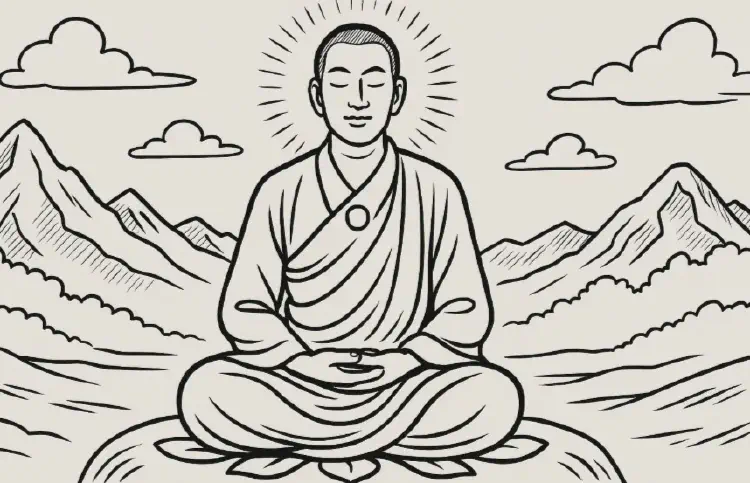
Before entering the subtler stages of Dzogchen practice, practitioners first learn to settle body, speech, and mind into a state of relaxed stability. This creates the ground for recognizing awareness.
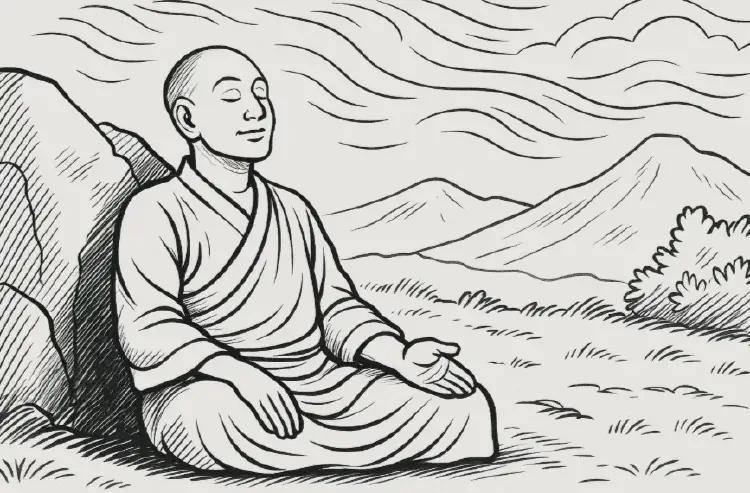
Semde practices emphasize not creating or fabricating states of mind. Instead, the practitioner relaxes into the natural condition of awareness that is already present.