Transforming obstacles into path
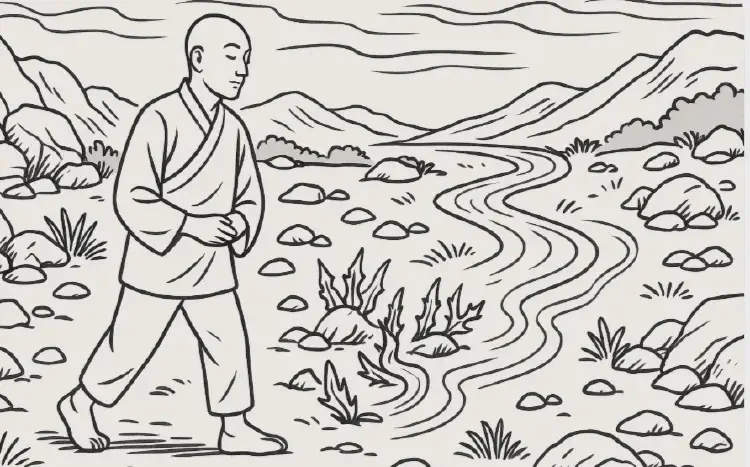
In Dzogchen, challenges and difficulties are not seen as hindrances but as opportunities. Obstacles become the very path when recognized within awareness.
- Dzogchen Essentials
- 1 min read
Article 4 of 6 in Integration into Life/
What Are Obstacles?
- Outer obstacles: illness, conflict, difficult circumstances.
- Inner obstacles: strong emotions, distracting thoughts, karmic tendencies.
- Secret obstacles: subtle grasping, pride, or misunderstanding of rigpa.
Dzogchen Approach to Obstacles:
- Instead of resisting or avoiding obstacles, practitioners recognize them within awareness.
- Obstacles reveal habitual clinging and provide chances to deepen recognition.
- Since awareness is unchanging, no obstacle can truly disturb it.
Practical Ways to Transform Obstacles:
- Pause and Recognize: When difficulty arises, stop and notice the awareness in which it appears.
- Self-Liberation: Allow the obstacle—whether thought, emotion, or circumstance—to dissolve naturally.
- Compassionate Response: Relating to difficulties with bodhicitta transforms them into opportunities for growth.
- Integration: Use illness, hardship, or conflict as reminders to rest in awareness.
Benefits of This Transformation:
- Prevents obstacles from becoming sources of discouragement.
- Builds resilience and confidence that awareness is unshakable.
- Strengthens compassion for others facing suffering.
Dzogchen Insight:
- Obstacles are not separate from the path—they are the path when recognized in rigpa.
- Each difficulty becomes a gateway to realization instead of a barrier.
Analogy:
- Like fuel for a fire—challenges, when recognized, only increase the warmth of awareness.
Summary: Transforming obstacles into path means meeting difficulties with awareness rather than resistance. In Dzogchen, every challenge becomes an opportunity to deepen recognition of rigpa and embody compassion in daily life.