Self-liberation of thoughts
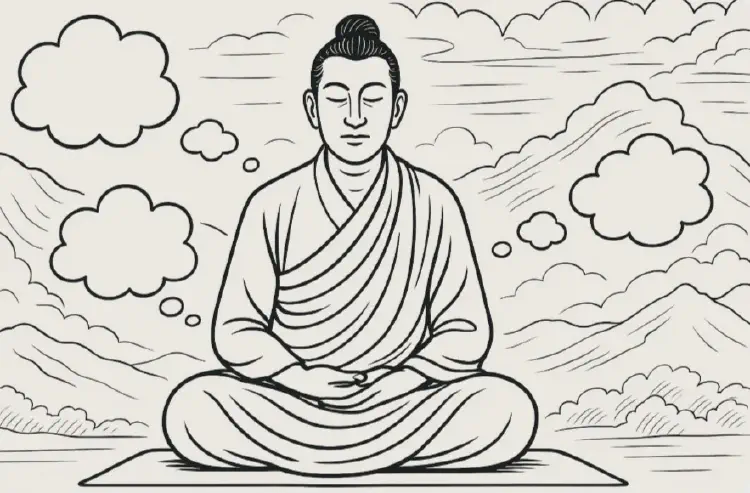
In Dzogchen, thoughts are not enemies to be suppressed, nor distractions to be eliminated. Instead, they are seen as natural expressions of awareness that can liberate themselves the moment they arise.
In Dzogchen, thoughts are not enemies to be suppressed, nor distractions to be eliminated. Instead, they are seen as natural expressions of awareness that can liberate themselves the moment they arise.
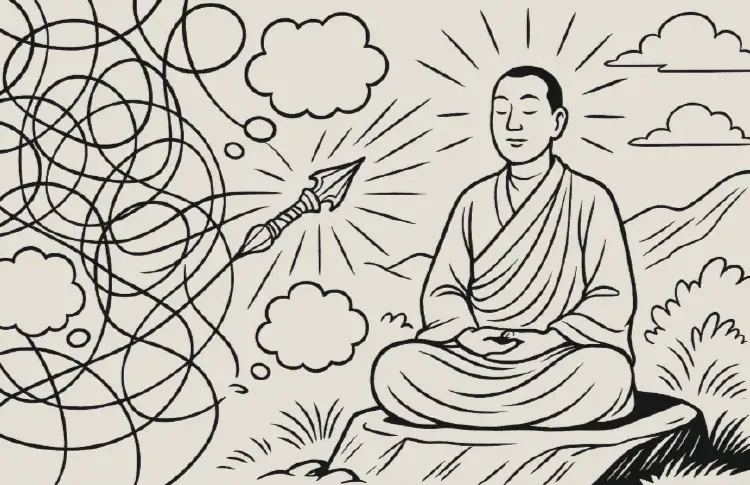
Dzogchen emphasizes direct recognition of awareness, which can be obscured by endless conceptual elaboration. Semde practices provide methods to cut through these layers of thought and return to the natural state.
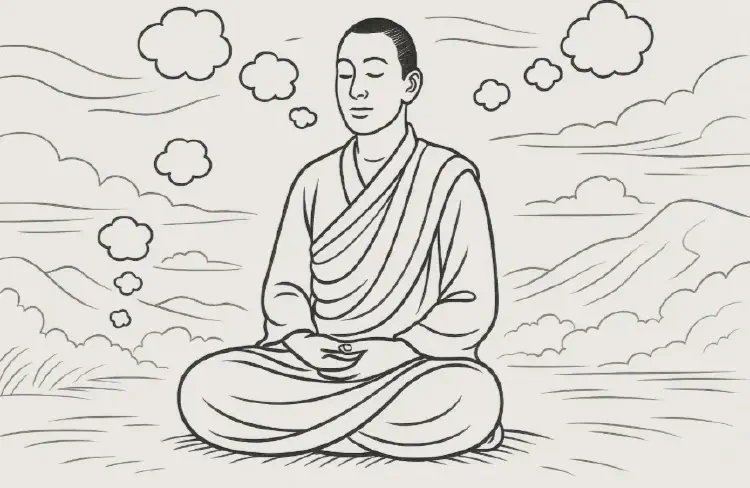
In Dzogchen, thoughts are not seen as obstacles but as natural expressions of awareness. The key is to let them arise and dissolve without interference, revealing their self-liberated nature.
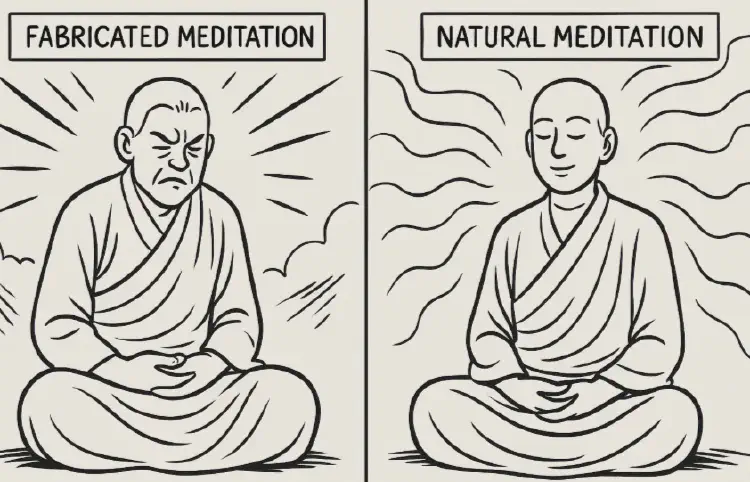
Dzogchen emphasizes *natural presence*—resting in awareness without effort or construction. This is contrasted with *fabricated meditation*, which depends on deliberate techniques or manipulation of the mind.
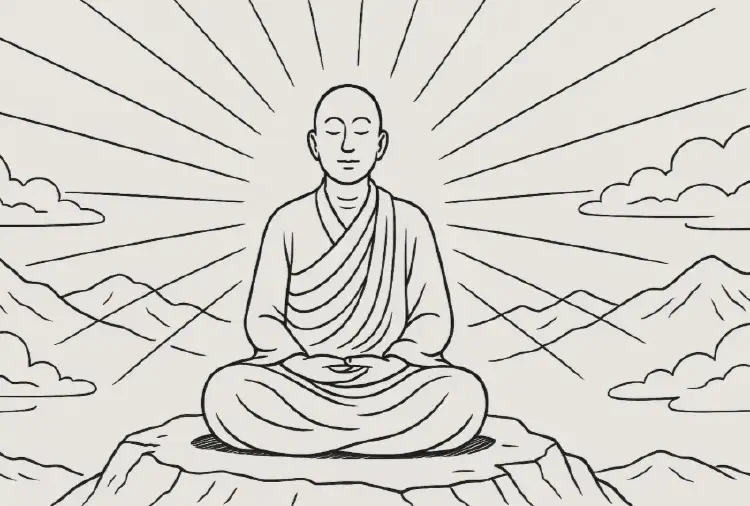
In Dzogchen, the first glimpse of rigpa may be brief and easily lost. Stabilizing recognition means learning to remain in awareness continuously, in meditation and daily life.
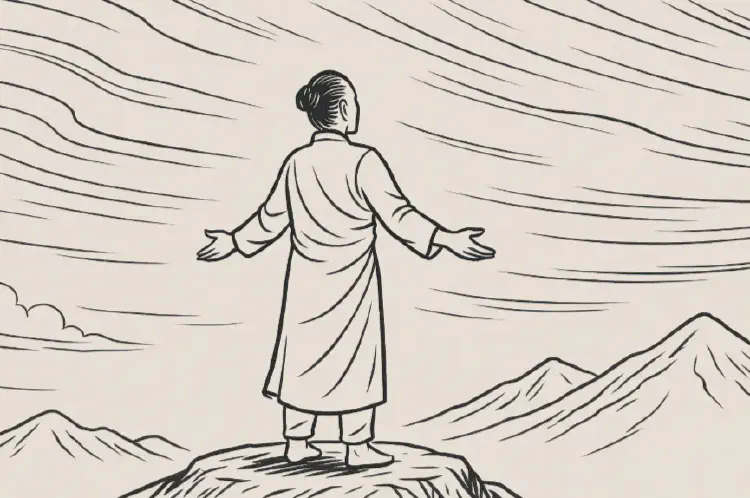
Longde practices emphasize spaciousness, pointing to the boundless quality of awareness. Practicing vast openness means dissolving limitations and resting in the infinite expanse of rigpa.