Natural state

Historical background and origins

Historical background and origins

Dzogchen, often translated as the 'Great Perfection,' has a unique place within Tibetan spiritual traditions. Its history stretches back many centuries and interweaves with both Buddhism and the indigenous Bön tradition of Tibet.
Dzogchen within Tibetan Buddhism

Dzogchen within Tibetan Buddhism

To understand Dzogchen’s place in Tibetan Buddhism, it’s important to see how it relates to the broader framework of Buddhist teachings and why it is often described as the pinnacle of the path.

Difference between Sutra, Tantra, and Dzogchen

Difference between Sutra, Tantra, and Dzogchen

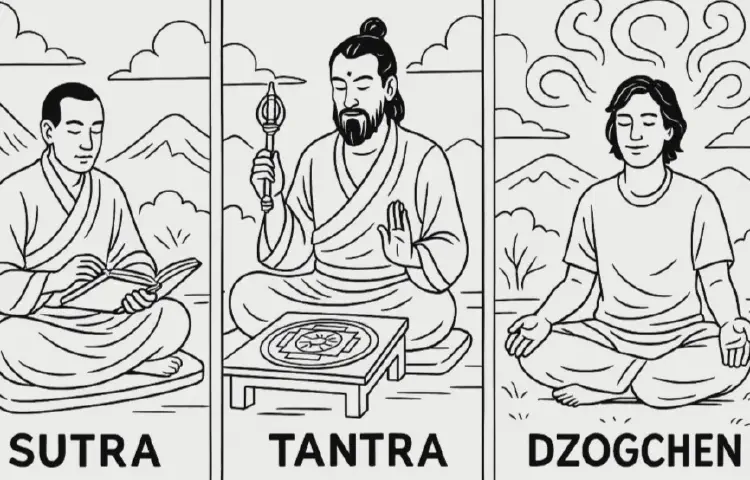
Tibetan Buddhism encompasses multiple vehicles of practice. Sutra, Tantra, and Dzogchen each offer distinct approaches, yet they ultimately aim toward the same realization of enlightenment.

Nature of direct introduction

Nature of direct introduction

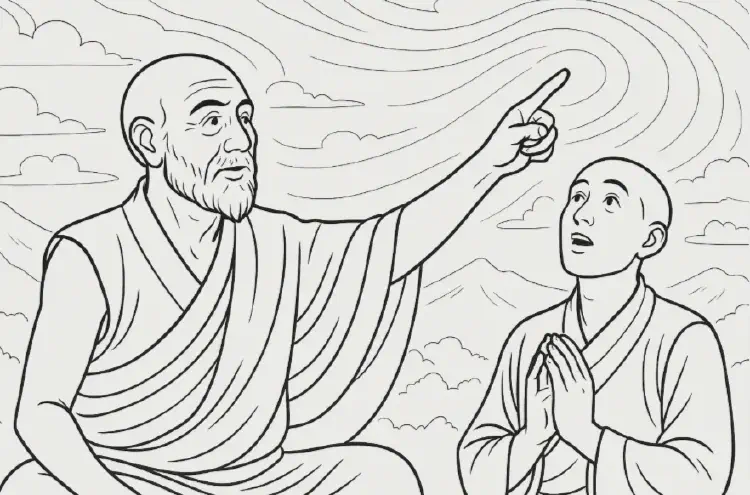
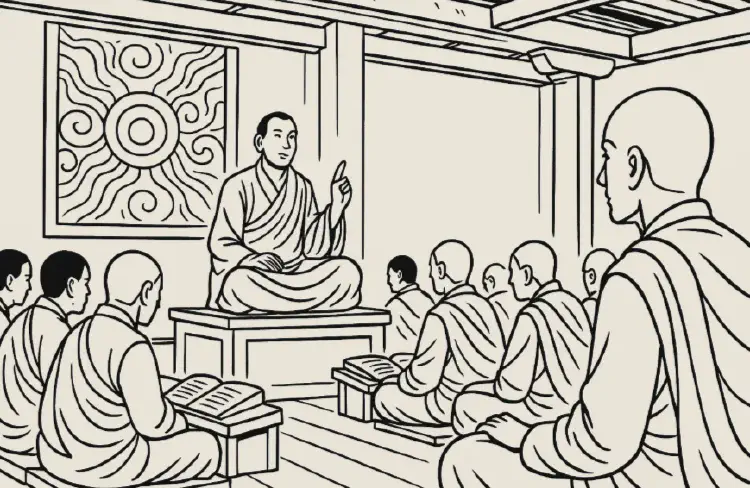
Direct introduction is the heart of Dzogchen. It is the moment when a teacher reveals the student’s own true nature of mind, beyond concepts or gradual stages.

Settling the body, speech, and mind

Settling the body, speech, and mind

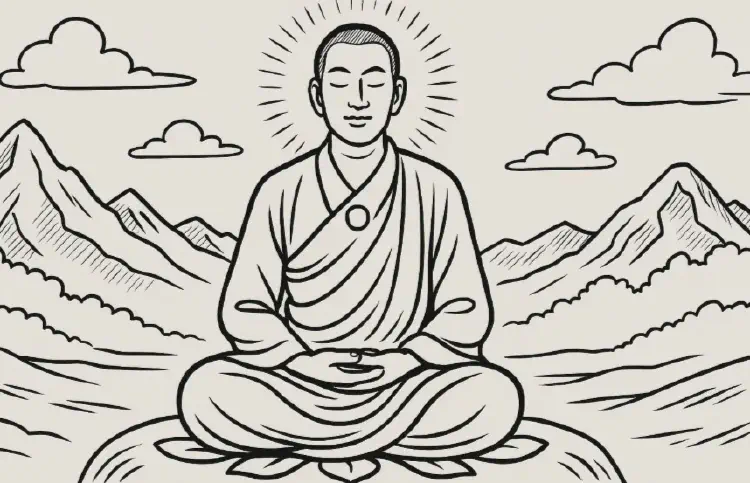
Before entering the subtler stages of Dzogchen practice, practitioners first learn to settle body, speech, and mind into a state of relaxed stability. This creates the ground for recognizing awareness.

Trekchö (cutting through rigidity)

Trekchö (cutting through rigidity)

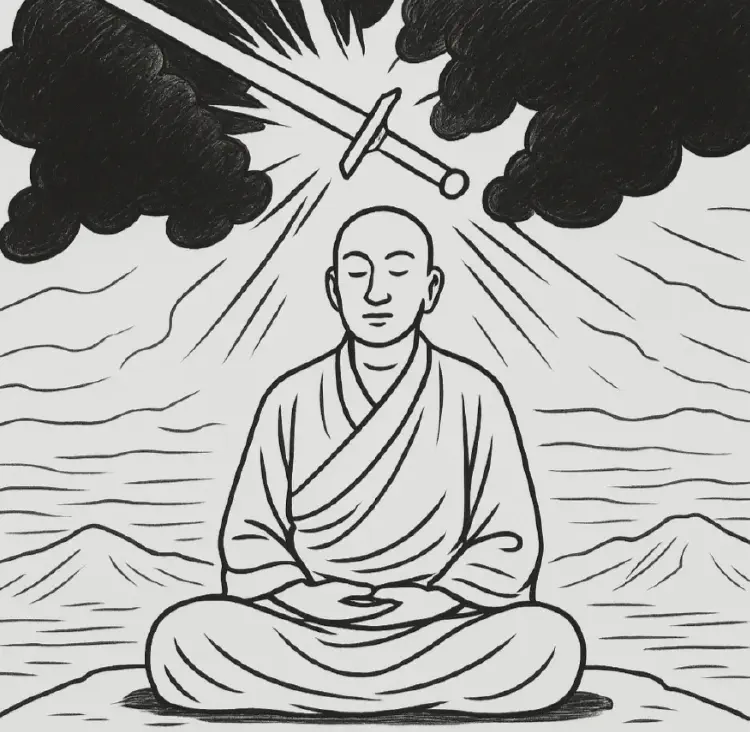
Trekchö, often translated as 'cutting through,' is one of the two central practices of Menngagde. It directly reveals the primordial purity of awareness by cutting through the rigidity of grasping and conceptual elaboration.