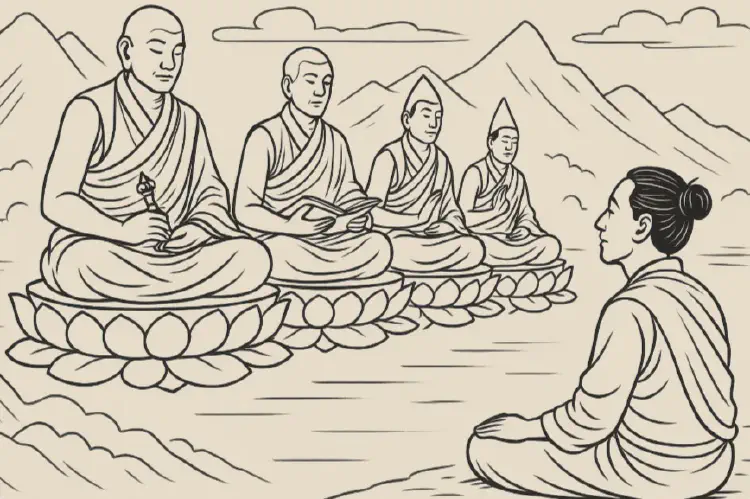
Key masters and transmission lineages
Dzogchen teachings have been preserved and transmitted through unbroken lineages of masters. Understanding these figures and their roles helps to appreciate the authenticity and continuity of the tradition.
Dzogchen teachings have been preserved and transmitted through unbroken lineages of masters. Understanding these figures and their roles helps to appreciate the authenticity and continuity of the tradition.
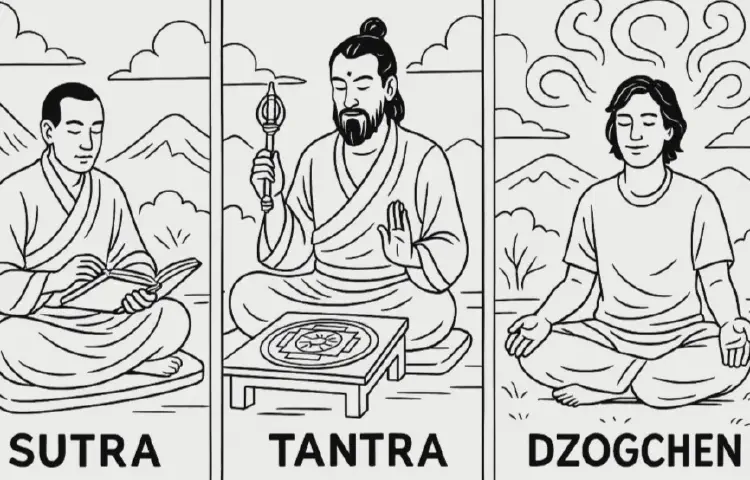
Tibetan Buddhism encompasses multiple vehicles of practice. Sutra, Tantra, and Dzogchen each offer distinct approaches, yet they ultimately aim toward the same realization of enlightenment.
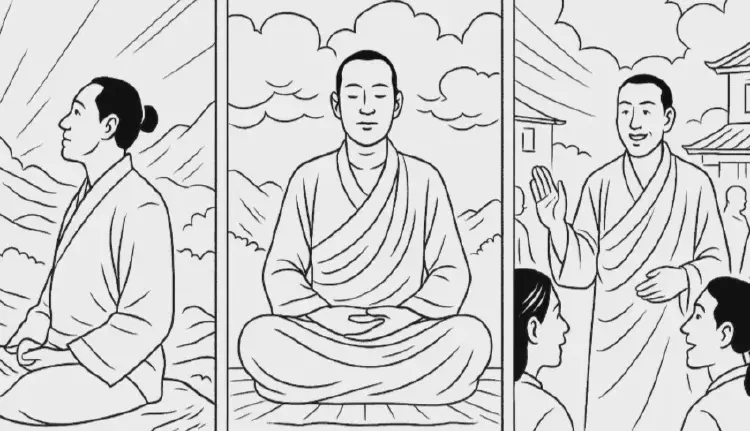
In Dzogchen, the path is often summarized as view, meditation, and conduct. These three aspects describe how one relates to awareness, how one stabilizes it, and how one integrates it into daily life.
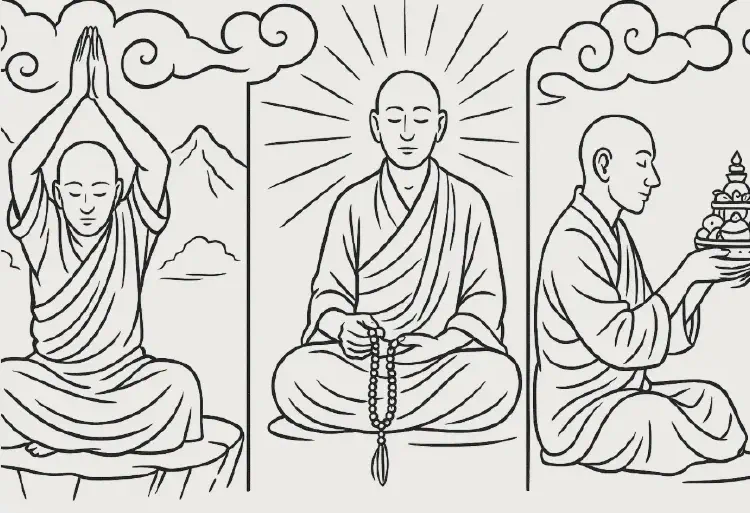
Ngöndro, or preliminary practices, are considered essential in Tibetan Buddhism. They prepare the body, speech, and mind for the subtler recognitions of Dzogchen.
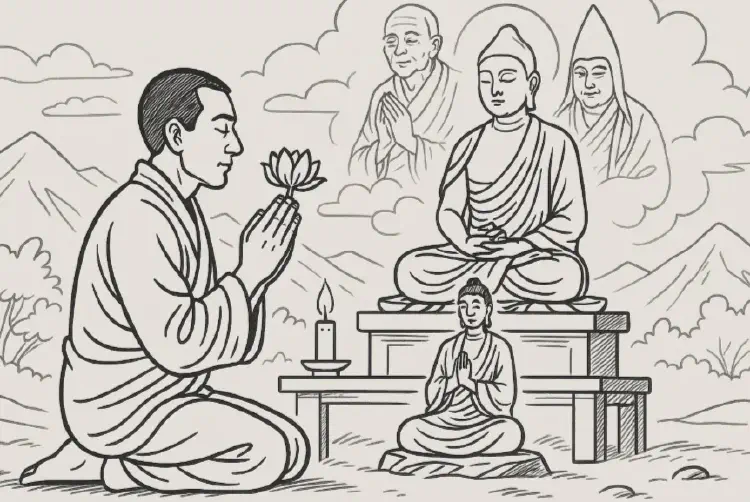
In Dzogchen and Tibetan Buddhism as a whole, refuge and devotion form the foundation of the practitioner’s relationship with the teachings, the teacher, and the path itself.
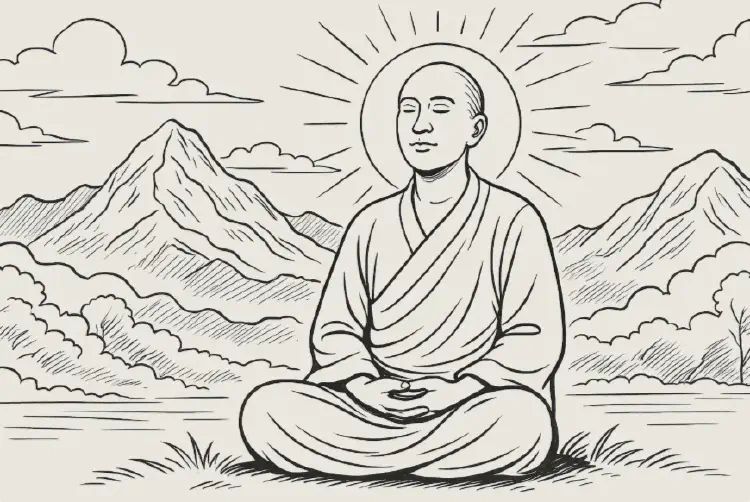
Rigpa is the central term in Dzogchen, pointing to the innate awareness that is beyond concepts, unconditioned, and ever-present. Understanding it is essential before engaging deeply in Dzogchen practice.