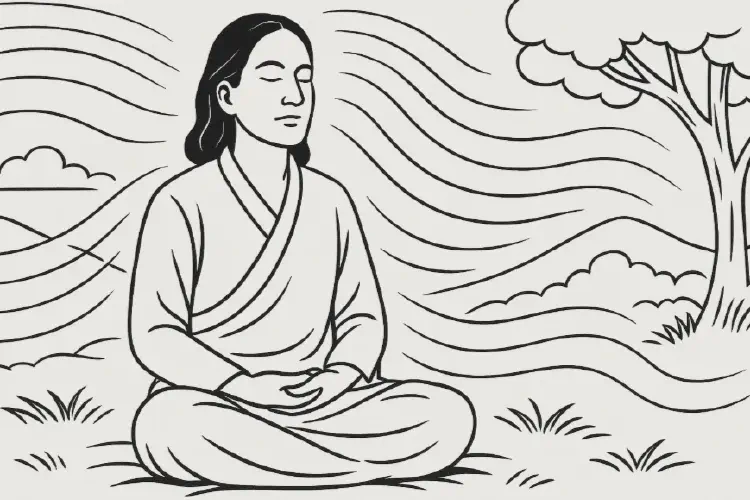
Non-meditation as meditation
One of the most distinctive teachings of Dzogchen is that true meditation is 'non-meditation.' Instead of striving to achieve states, practitioners rest in the natural awareness that is already present.
One of the most distinctive teachings of Dzogchen is that true meditation is 'non-meditation.' Instead of striving to achieve states, practitioners rest in the natural awareness that is already present.
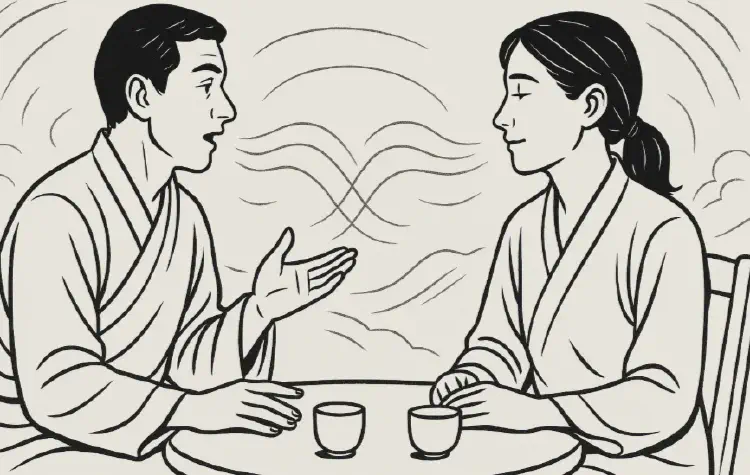
Dzogchen practice is not separate from daily life. Speech, interactions, and relationships are seen as natural fields for recognizing and embodying awareness.
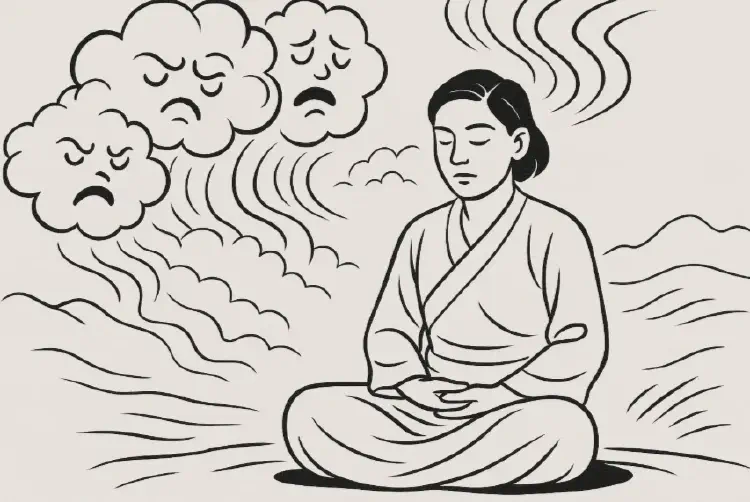
Emotions are often viewed as obstacles in spiritual practice, but in Dzogchen they are embraced as expressions of awareness. The key is not suppression but recognition.

In Dzogchen, challenges and difficulties are not seen as hindrances but as opportunities. Obstacles become the very path when recognized within awareness.

Dzogchen values both solitary practice and engagement with community. Each offers unique benefits, and balance between the two supports integration of awareness into life.

Dzogchen emphasizes that realization is not confined to meditation sessions or retreats. The essence of practice is recognizing spontaneous presence in the midst of daily, ordinary life.