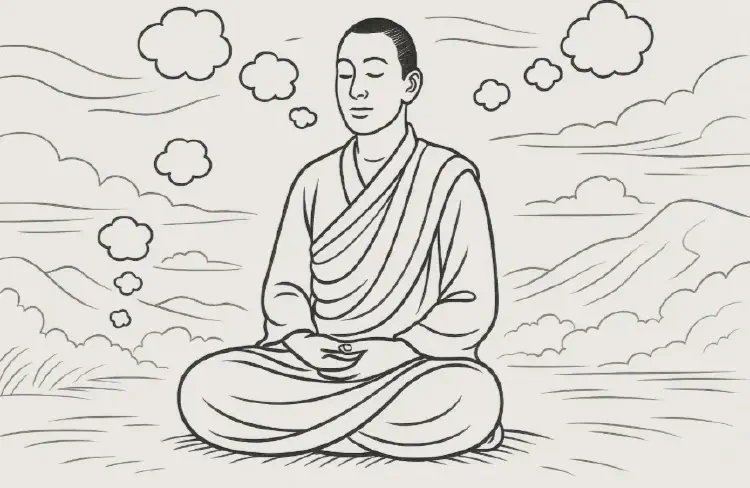
Allowing thoughts to arise and dissolve
In Dzogchen, thoughts are not seen as obstacles but as natural expressions of awareness. The key is to let them arise and dissolve without interference, revealing their self-liberated nature.
In Dzogchen, thoughts are not seen as obstacles but as natural expressions of awareness. The key is to let them arise and dissolve without interference, revealing their self-liberated nature.
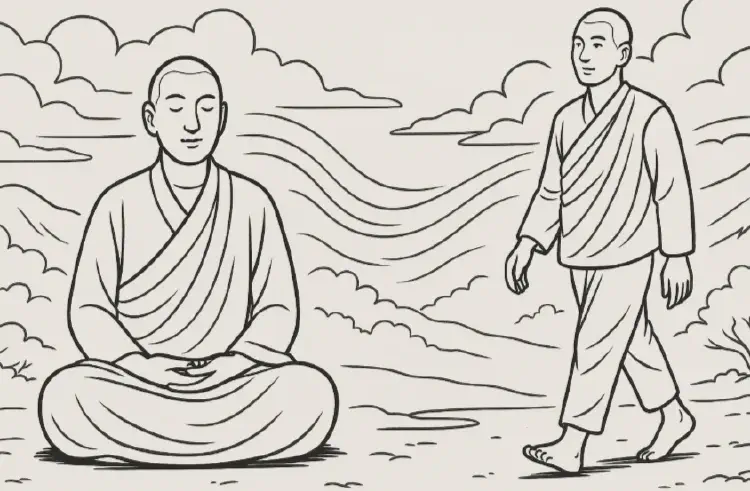
Longde teachings emphasize that awareness is not confined to meditation stillness. True stability comes when recognition of rigpa continues seamlessly through both stillness and movement.
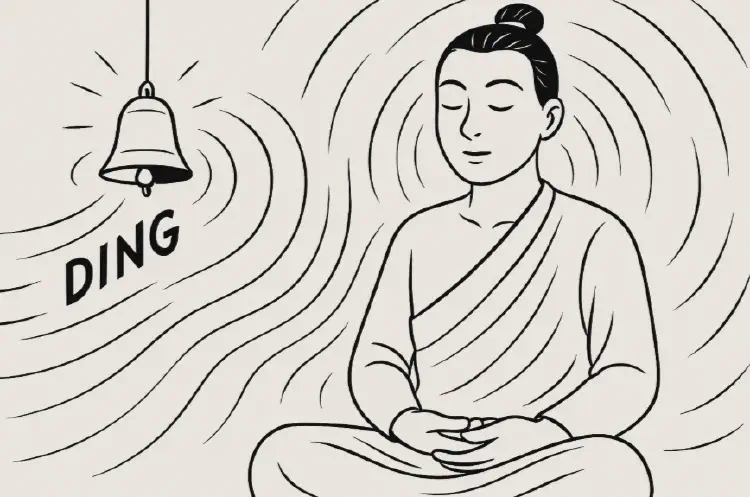
Because distraction is strong and habits are deep, Dzogchen practitioners often use reminders—both natural and intentional—to recall awareness throughout the day. Bells and other cues serve as supports for continuity of rigpa.
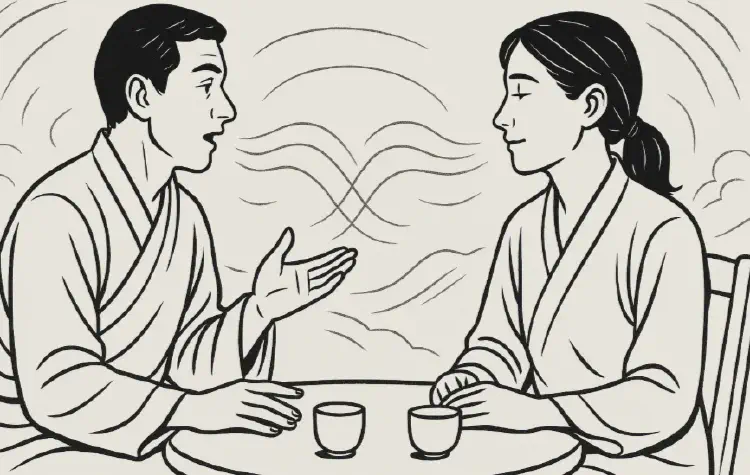
Dzogchen practice is not separate from daily life. Speech, interactions, and relationships are seen as natural fields for recognizing and embodying awareness.
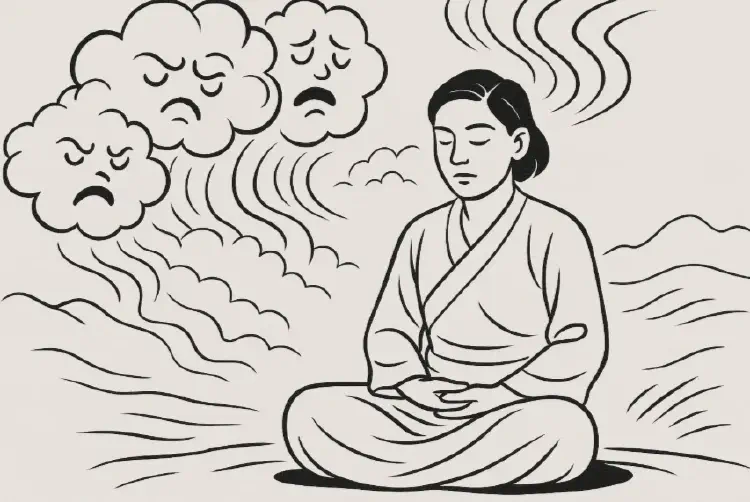
Emotions are often viewed as obstacles in spiritual practice, but in Dzogchen they are embraced as expressions of awareness. The key is not suppression but recognition.
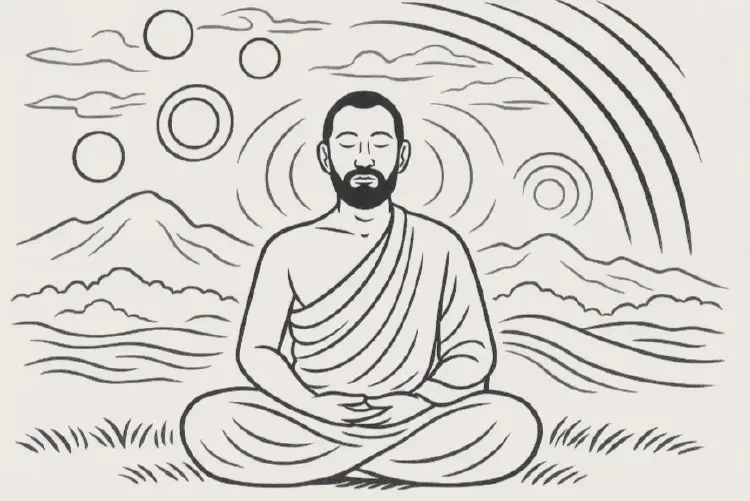
Tögal practices reveal luminous visionary experiences, but they must be approached from a foundation of stability in Trekchö and recognition of rigpa. Without stability, visions can confuse rather than liberate.