Recognizing rigpa

Historical background and origins

Historical background and origins

Dzogchen, often translated as the 'Great Perfection,' has a unique place within Tibetan spiritual traditions. Its history stretches back many centuries and interweaves with both Buddhism and the indigenous Bön tradition of Tibet.
Understanding the nature of mind (rigpa)

Understanding the nature of mind (rigpa)

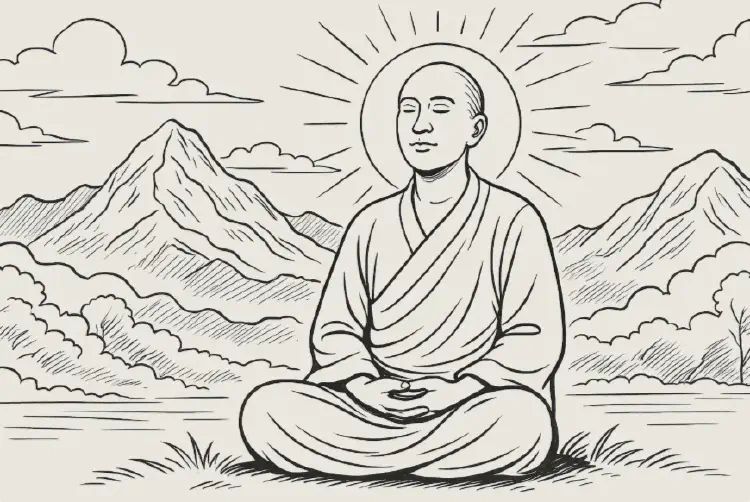
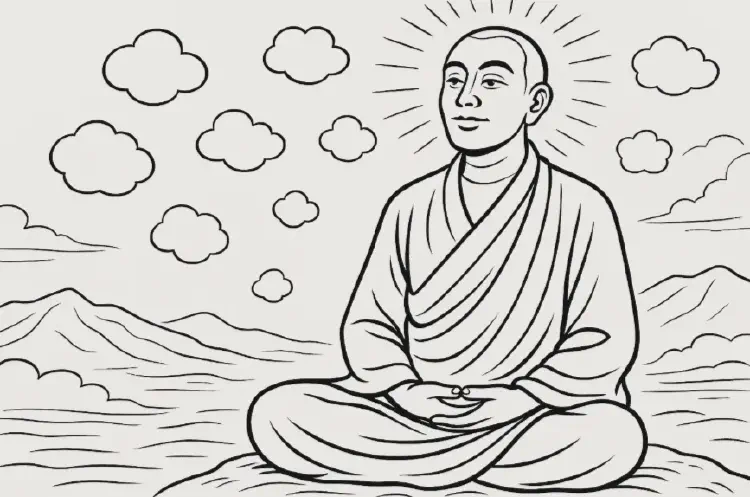
Rigpa is the central term in Dzogchen, pointing to the innate awareness that is beyond concepts, unconditioned, and ever-present. Understanding it is essential before engaging deeply in Dzogchen practice.

Recognizing rigpa

Recognizing rigpa

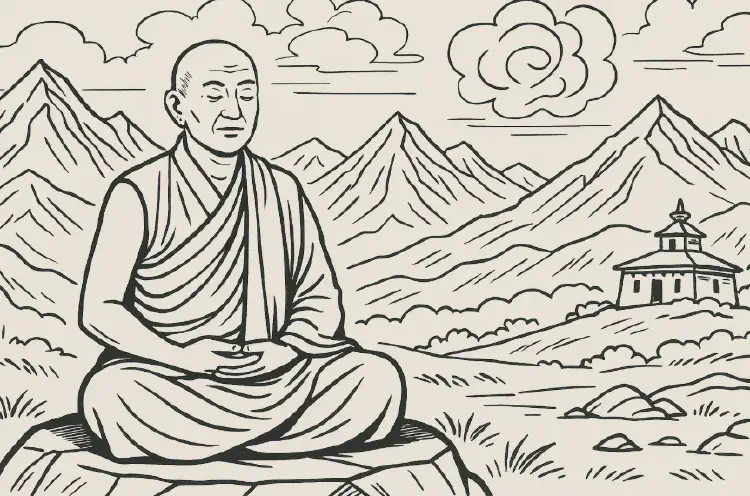
Recognizing rigpa—the pristine awareness at the heart of Dzogchen—is the pivotal moment in practice. It marks the difference between intellectual understanding and direct realization.

Allowing thoughts to arise and dissolve

Allowing thoughts to arise and dissolve

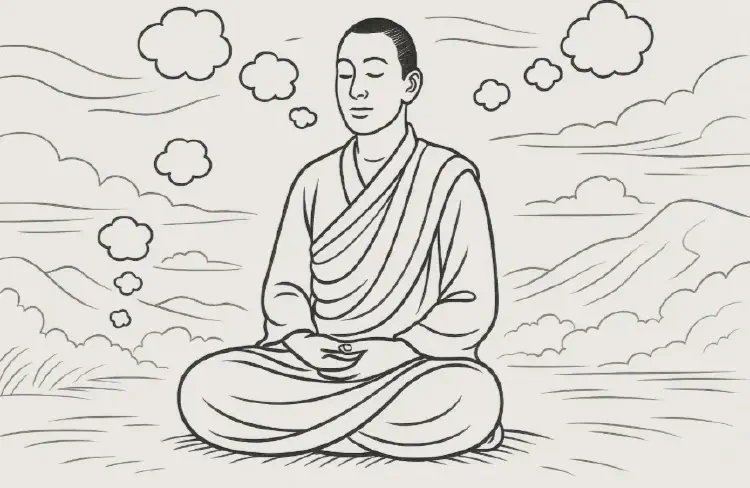
In Dzogchen, thoughts are not seen as obstacles but as natural expressions of awareness. The key is to let them arise and dissolve without interference, revealing their self-liberated nature.

About Dzogchen Essentials

Dzogchen Essentials – a modest primer giving a quick overview of Dzogchen teachings, from foundations to practice, with simple explanations and comic-style illustrations.

Integrating stillness and movement

Integrating stillness and movement

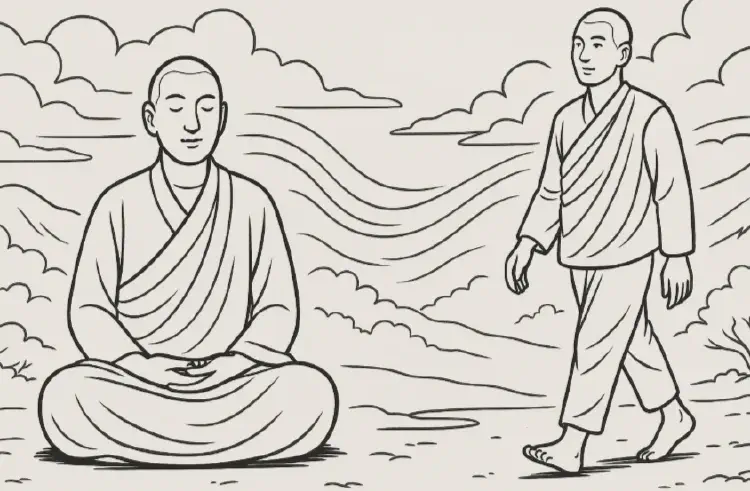
Longde teachings emphasize that awareness is not confined to meditation stillness. True stability comes when recognition of rigpa continues seamlessly through both stillness and movement.