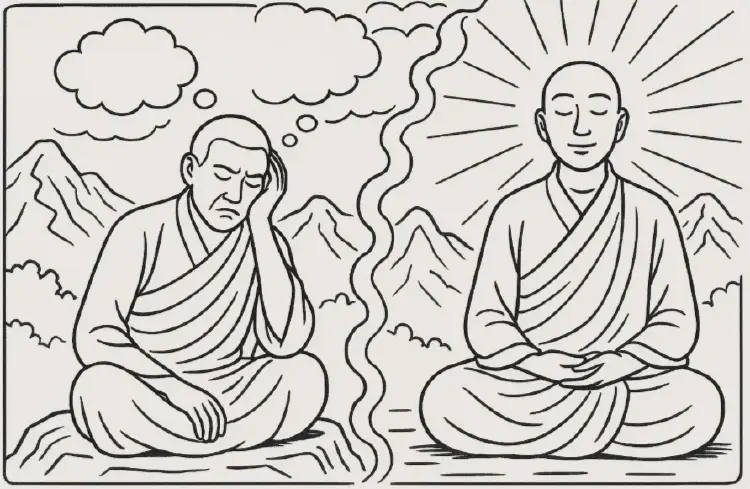
Distinguishing mind from awareness
One of the most important insights in Dzogchen is learning to tell the difference between ordinary mind (*sem*) and pure awareness (*rigpa*). Without this clarity, practice can easily fall into confusion.
One of the most important insights in Dzogchen is learning to tell the difference between ordinary mind (*sem*) and pure awareness (*rigpa*). Without this clarity, practice can easily fall into confusion.
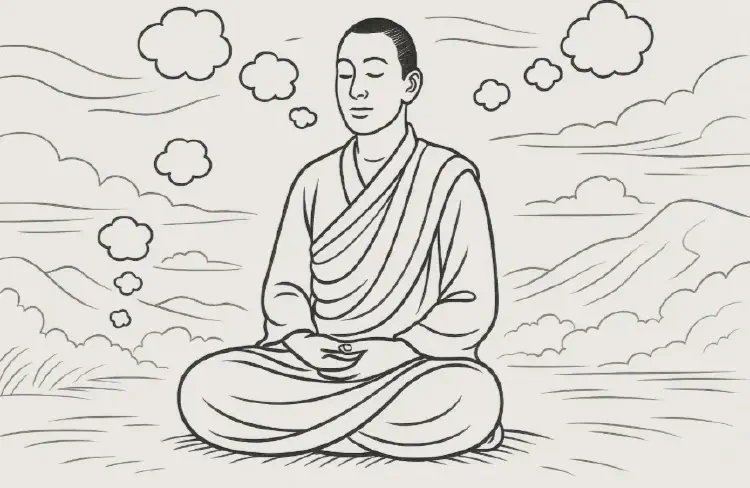
In Dzogchen, thoughts are not seen as obstacles but as natural expressions of awareness. The key is to let them arise and dissolve without interference, revealing their self-liberated nature.
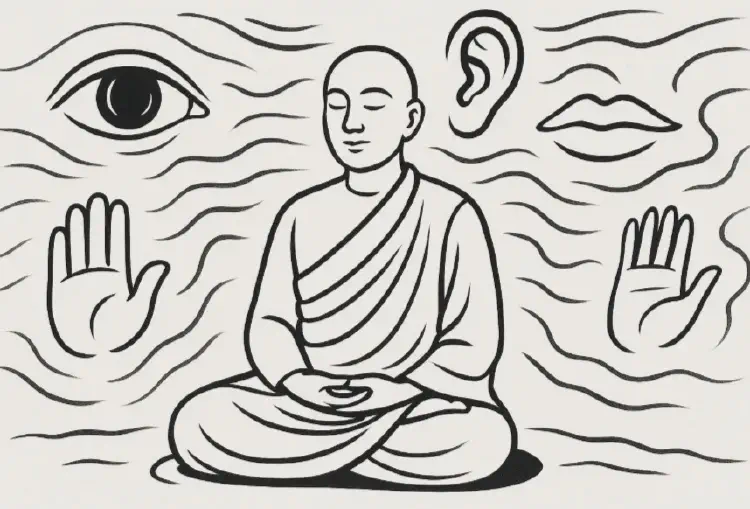
Longde teachings emphasize that awareness is not separate from sensory perception. Recognizing awareness within sensory experiences helps practitioners see that everything arises within rigpa’s openness.
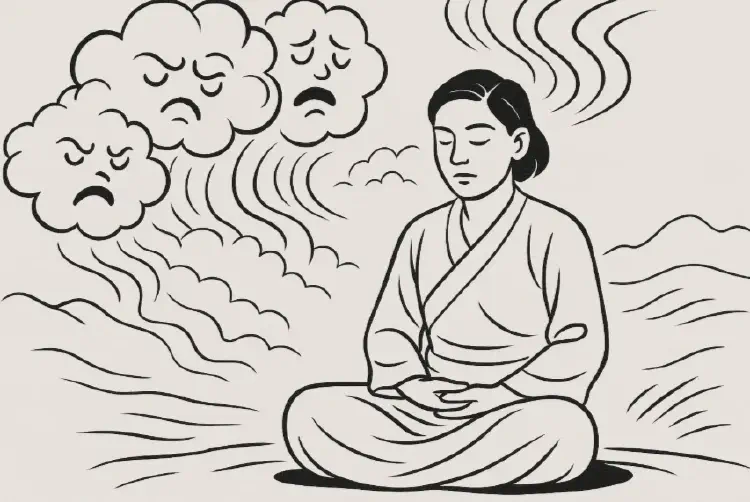
Emotions are often viewed as obstacles in spiritual practice, but in Dzogchen they are embraced as expressions of awareness. The key is not suppression but recognition.
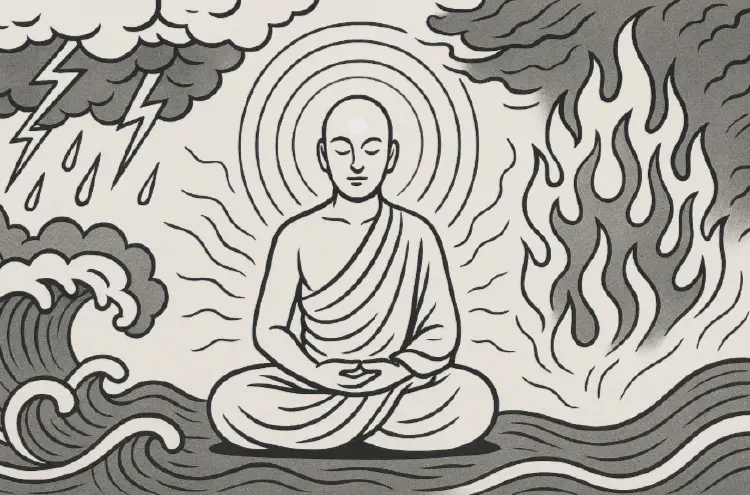
Difficult circumstances—illness, loss, conflict, or fear—are unavoidable in life. In Dzogchen, these are not seen as obstacles but as opportunities to deepen recognition of awareness.