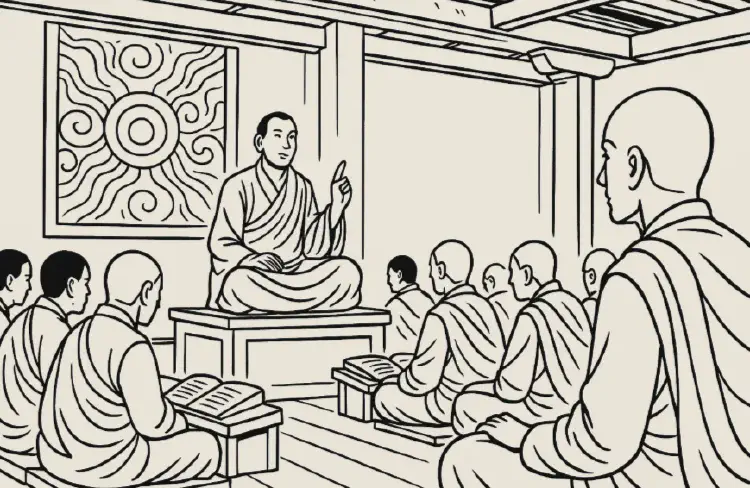
Dzogchen within Tibetan Buddhism
To understand Dzogchen’s place in Tibetan Buddhism, it’s important to see how it relates to the broader framework of Buddhist teachings and why it is often described as the pinnacle of the path.
To understand Dzogchen’s place in Tibetan Buddhism, it’s important to see how it relates to the broader framework of Buddhist teachings and why it is often described as the pinnacle of the path.
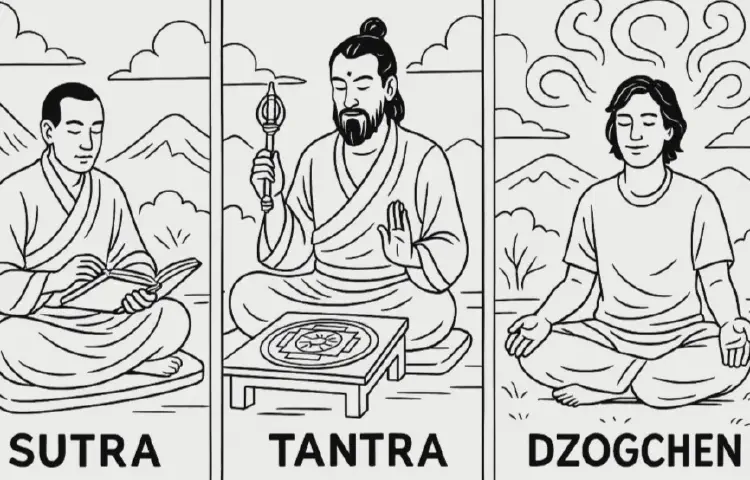
Tibetan Buddhism encompasses multiple vehicles of practice. Sutra, Tantra, and Dzogchen each offer distinct approaches, yet they ultimately aim toward the same realization of enlightenment.
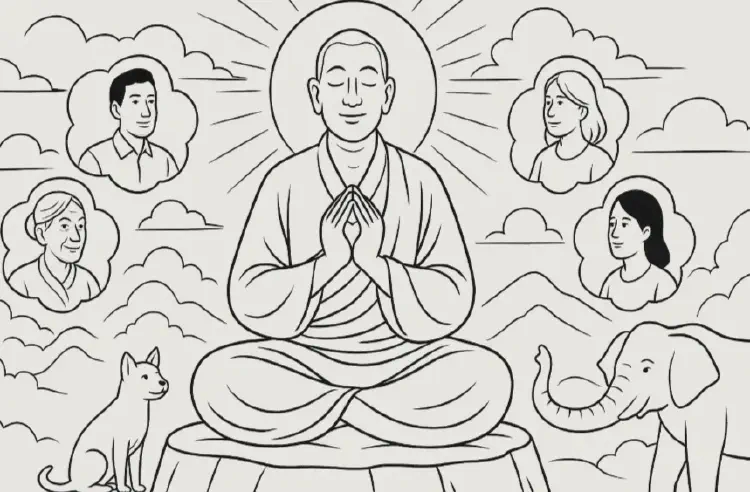
Before engaging in Dzogchen or any higher Buddhist practice, practitioners cultivate motivation and bodhicitta—the altruistic intention to attain enlightenment for the benefit of all beings.
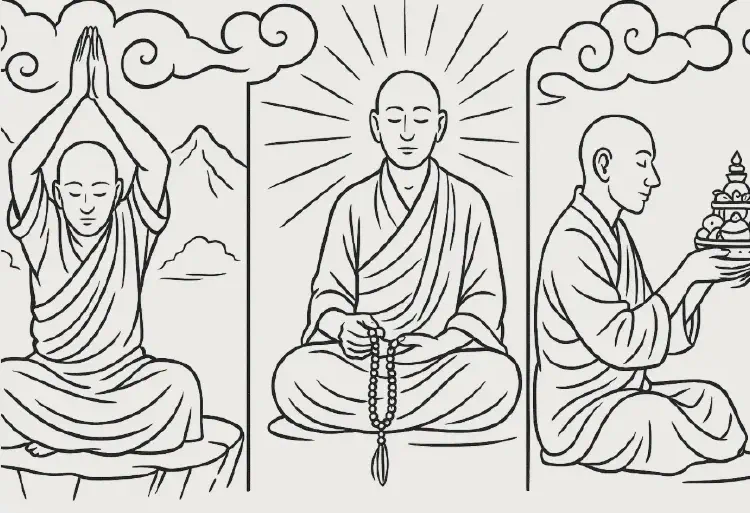
Ngöndro, or preliminary practices, are considered essential in Tibetan Buddhism. They prepare the body, speech, and mind for the subtler recognitions of Dzogchen.
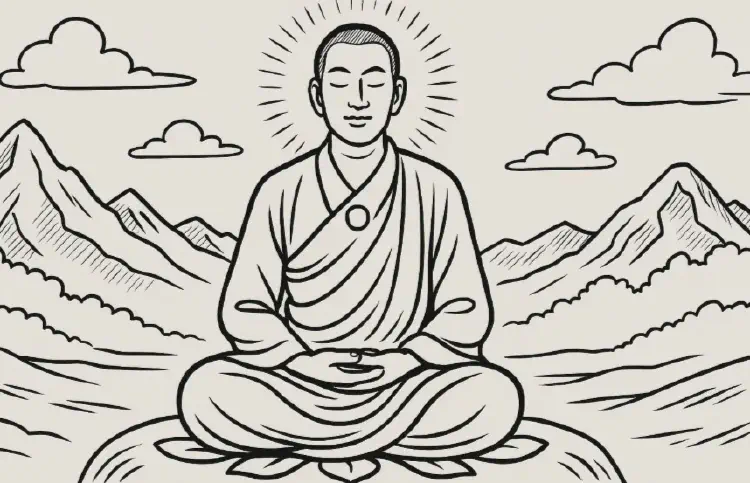
Before entering the subtler stages of Dzogchen practice, practitioners first learn to settle body, speech, and mind into a state of relaxed stability. This creates the ground for recognizing awareness.