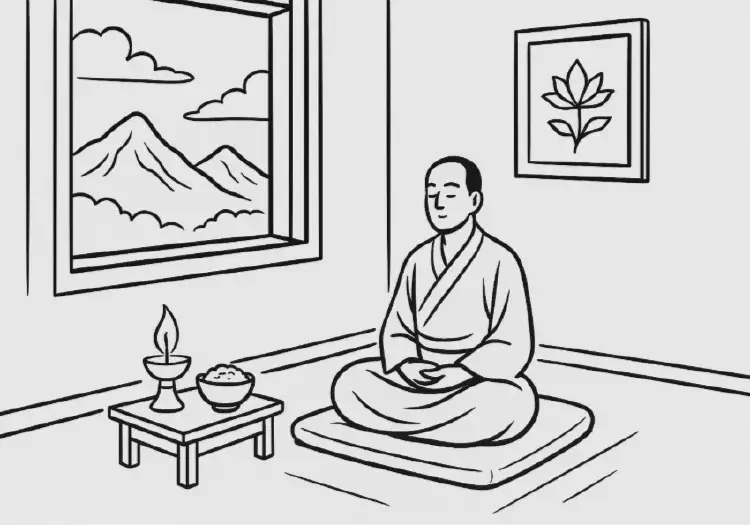
Creating conducive practice environment
While Dzogchen emphasizes that awareness is present everywhere, creating a supportive environment helps practitioners cultivate stability, inspiration, and continuity in their practice.
While Dzogchen emphasizes that awareness is present everywhere, creating a supportive environment helps practitioners cultivate stability, inspiration, and continuity in their practice.
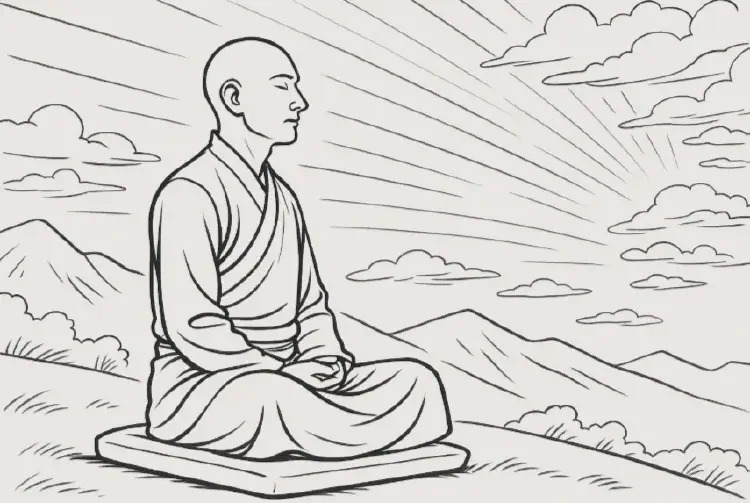
In Longde (Space Series) practices of Dzogchen, posture and gaze are essential methods for evoking spaciousness and supporting recognition of awareness.
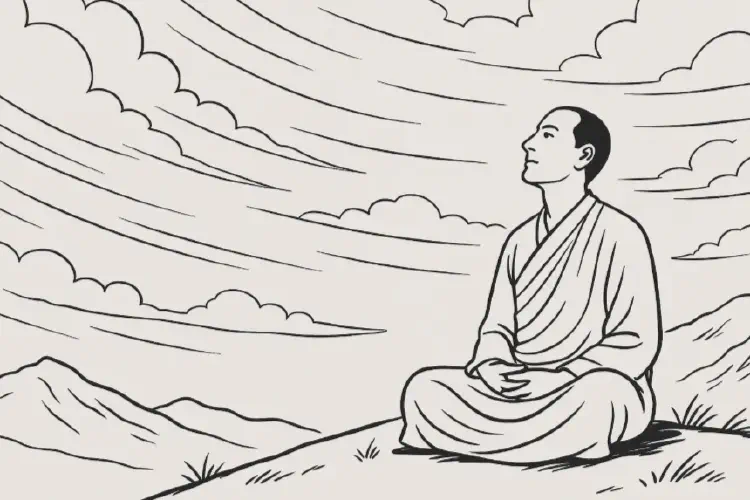
Sky gazing is one of the most distinctive practices of the Longde series. It harnesses the vastness of the sky as a direct support for recognizing and stabilizing awareness.
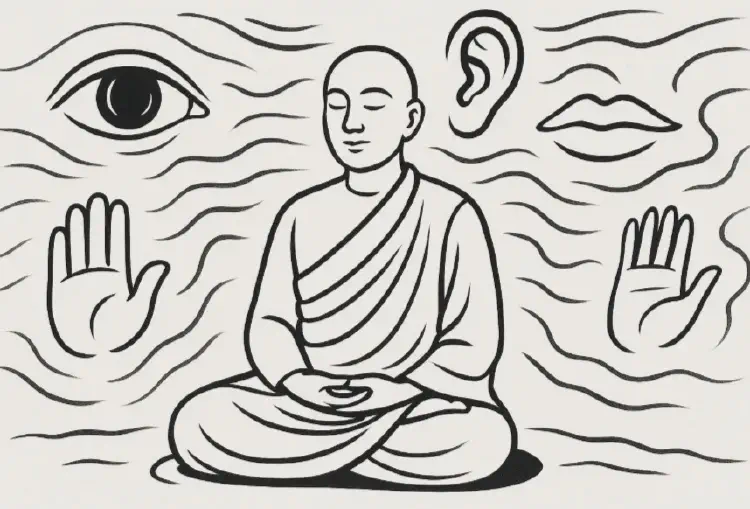
Longde teachings emphasize that awareness is not separate from sensory perception. Recognizing awareness within sensory experiences helps practitioners see that everything arises within rigpa’s openness.
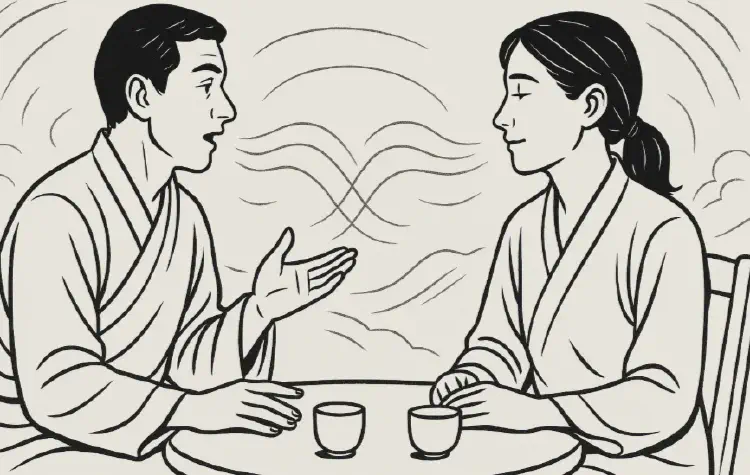
Dzogchen practice is not separate from daily life. Speech, interactions, and relationships are seen as natural fields for recognizing and embodying awareness.
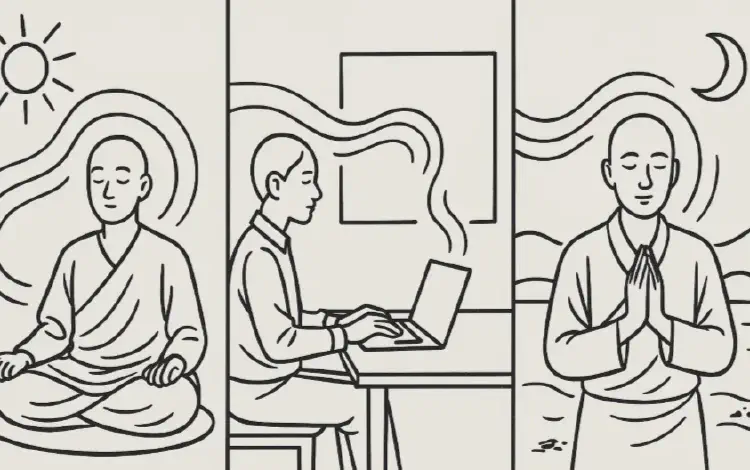
In Dzogchen, steady familiarity with awareness matters more than dramatic breakthroughs. Consistency in practice creates stability, while overemphasis on intensity can cause imbalance.