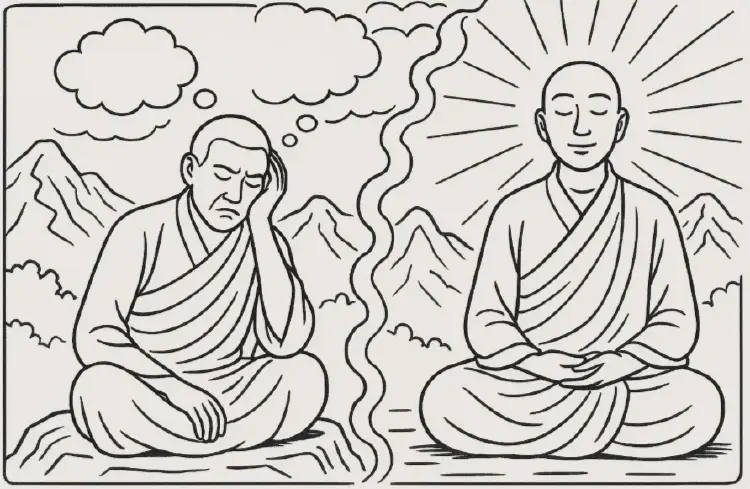
Distinguishing mind from awareness
One of the most important insights in Dzogchen is learning to tell the difference between ordinary mind (*sem*) and pure awareness (*rigpa*). Without this clarity, practice can easily fall into confusion.
One of the most important insights in Dzogchen is learning to tell the difference between ordinary mind (*sem*) and pure awareness (*rigpa*). Without this clarity, practice can easily fall into confusion.
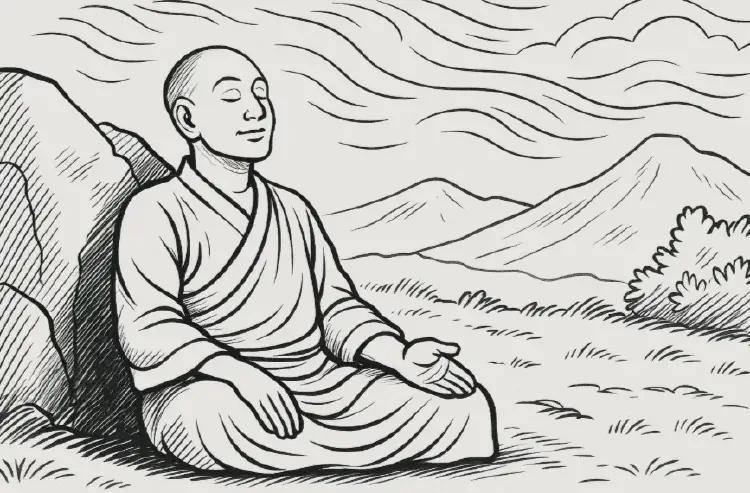
Semde practices emphasize not creating or fabricating states of mind. Instead, the practitioner relaxes into the natural condition of awareness that is already present.
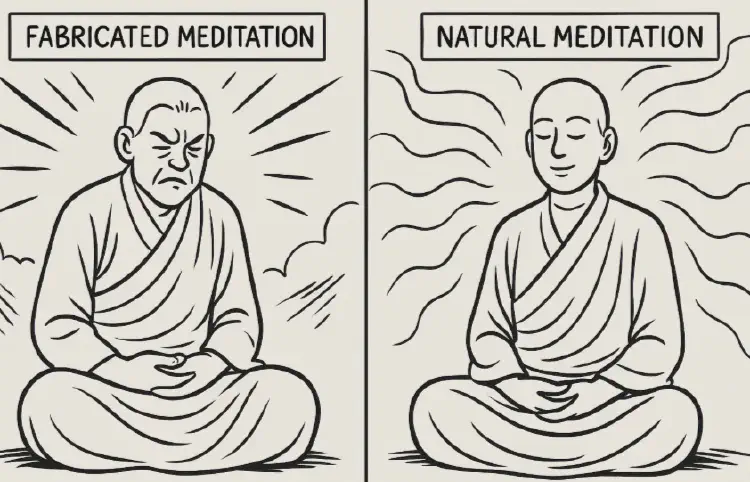
Dzogchen emphasizes *natural presence*—resting in awareness without effort or construction. This is contrasted with *fabricated meditation*, which depends on deliberate techniques or manipulation of the mind.
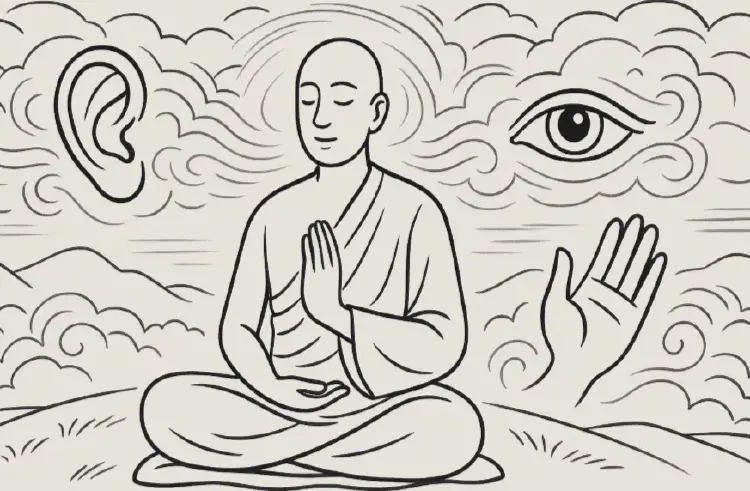
Longde practices teach that awareness is not limited to the body or the senses. By releasing fixation, practitioners recognize that awareness pervades all experiences without being bound by them.
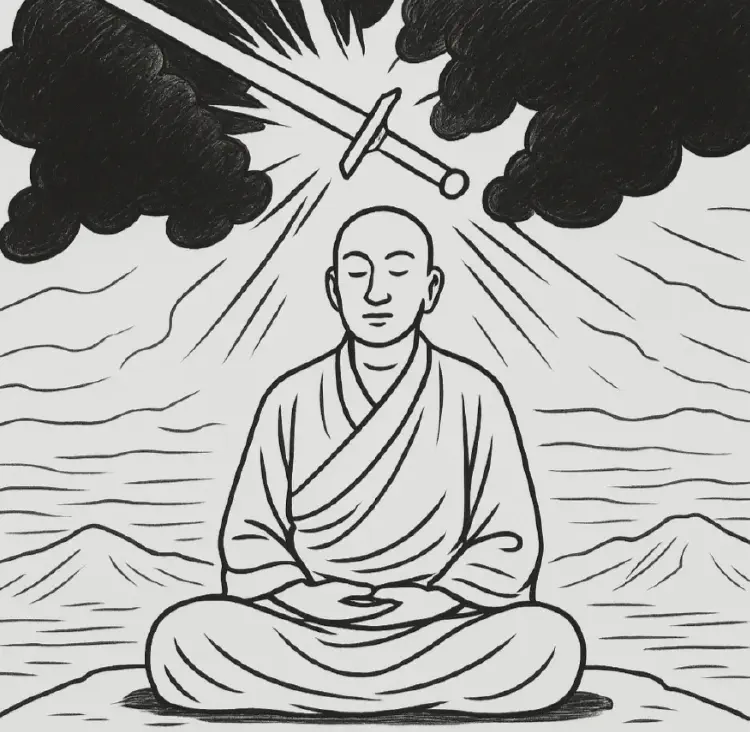
Trekchö, often translated as 'cutting through,' is one of the two central practices of Menngagde. It directly reveals the primordial purity of awareness by cutting through the rigidity of grasping and conceptual elaboration.

Dzogchen offers profound instructions for death and dying, guiding practitioners to recognize awareness at the time of transition. Death becomes not an end but an opportunity for full realization.