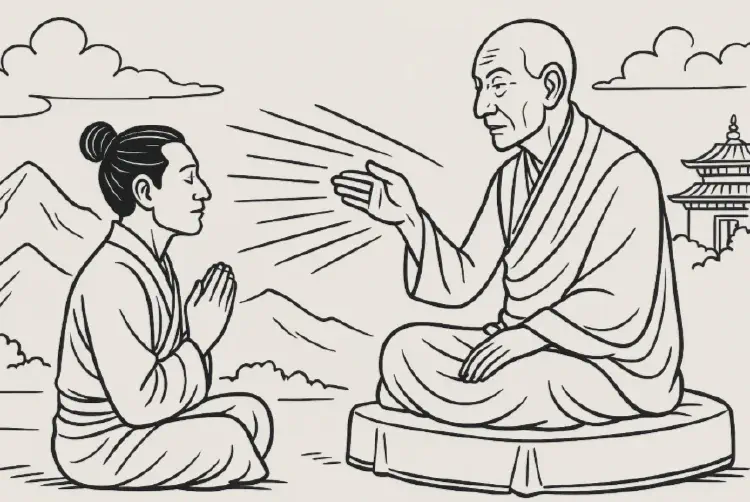
Transmission and teacher’s role
In Dzogchen, the teacher is not only a guide but also the living embodiment of the teachings. Transmission from teacher to student is considered indispensable for authentic practice.
In Dzogchen, the teacher is not only a guide but also the living embodiment of the teachings. Transmission from teacher to student is considered indispensable for authentic practice.

Direct introduction is the heart of Dzogchen. It is the moment when a teacher reveals the student’s own true nature of mind, beyond concepts or gradual stages.

Recognizing rigpa—the pristine awareness at the heart of Dzogchen—is the pivotal moment in practice. It marks the difference between intellectual understanding and direct realization.
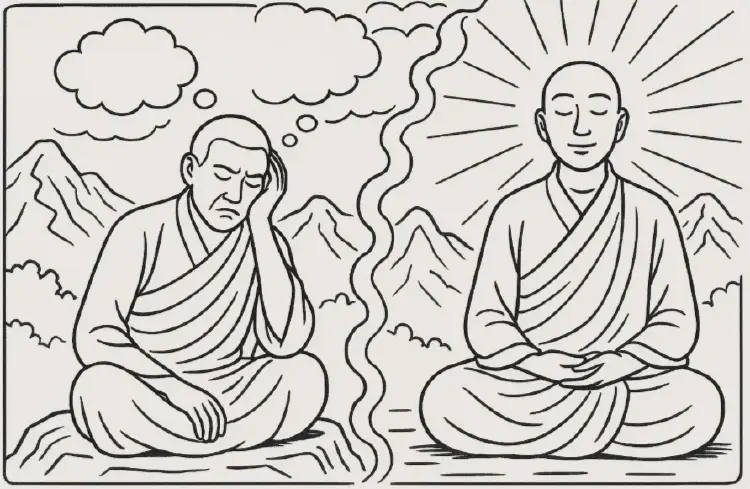
One of the most important insights in Dzogchen is learning to tell the difference between ordinary mind (*sem*) and pure awareness (*rigpa*). Without this clarity, practice can easily fall into confusion.
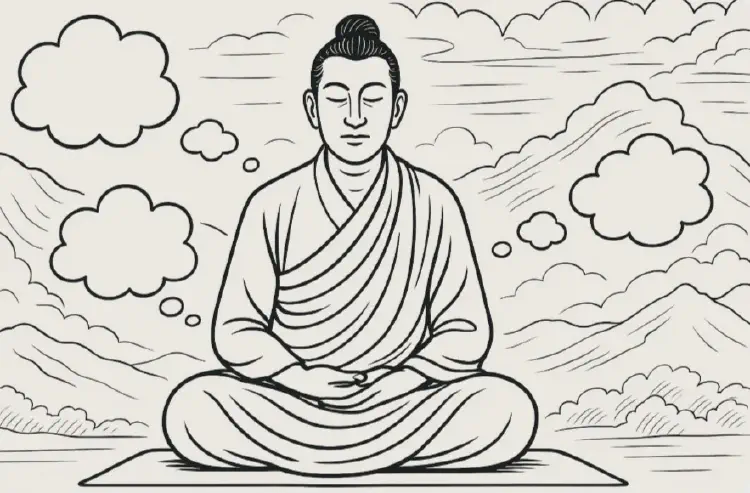
In Dzogchen, thoughts are not enemies to be suppressed, nor distractions to be eliminated. Instead, they are seen as natural expressions of awareness that can liberate themselves the moment they arise.
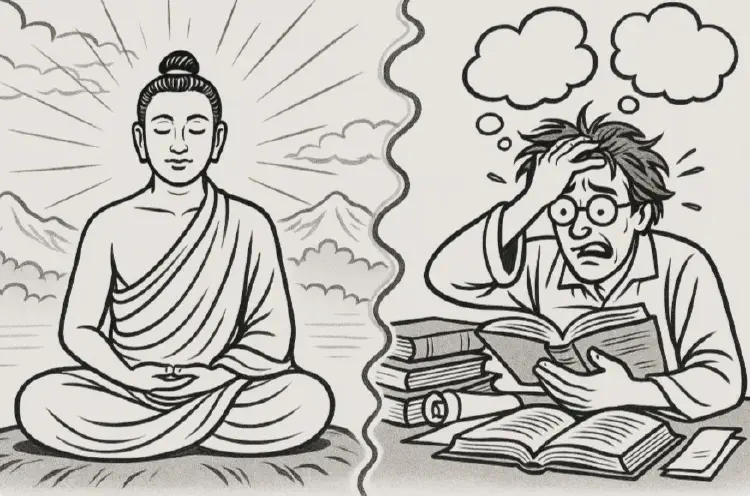
Dzogchen emphasizes direct recognition of awareness, which lies beyond conceptual thinking. Over-reliance on intellectual analysis can obscure this recognition and turn practice into philosophy rather than realization.