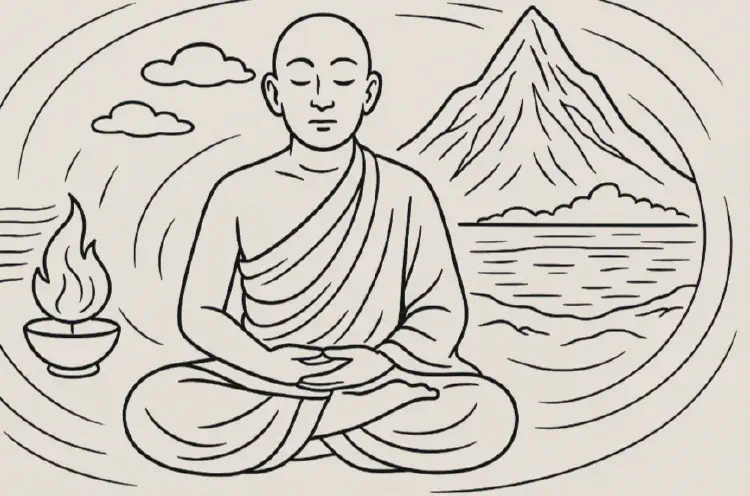
Signs of stabilization in practice
In Dzogchen, early glimpses of rigpa are fragile and easily lost. Stabilization means that recognition of awareness becomes continuous, effortless, and integrated into all states of being.
In Dzogchen, early glimpses of rigpa are fragile and easily lost. Stabilization means that recognition of awareness becomes continuous, effortless, and integrated into all states of being.
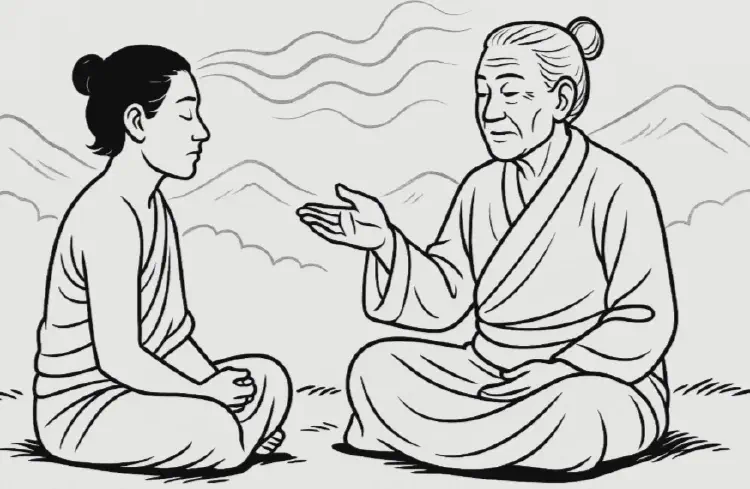
In Dzogchen, teachers play an indispensable role. Ongoing guidance ensures correct recognition of rigpa and helps practitioners avoid subtle pitfalls on the path.
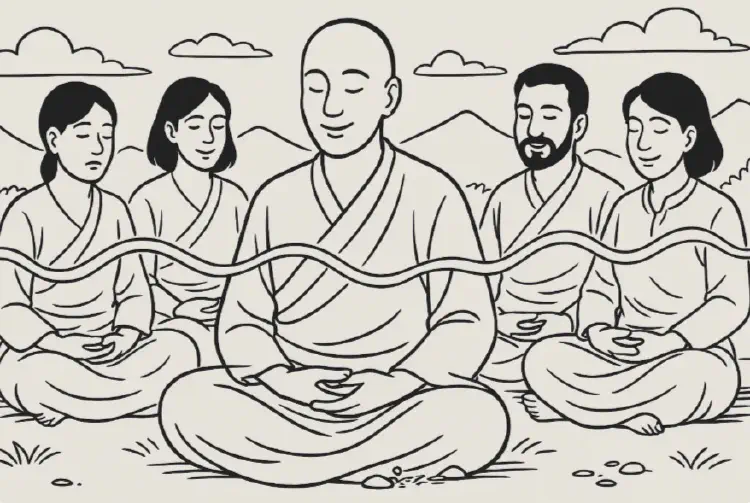
In Dzogchen, the sangha (community of practitioners) is a vital support. Practicing within community reinforces awareness, provides encouragement, and connects practitioners to authentic lineage.

Dzogchen practice arose in ancient Tibet, yet its essence is timeless and universal. In the modern world, practitioners adapt methods without losing the heart of recognizing rigpa.